
The CELLFIL consortium gathered for its third project meeting on 22nd-24th of October, hosted by Hochschule Niederrhein in Mönchengladbach, Germany. The meeting was coordinated by RTDS Group, the project manager of CELLFIL, who supported the organization and smooth running of the project. This in-person meeting brought together all partners to reflect on the current status of the project, share recent results, address challenges, and align on the next steps in the development of lyocell filament technologies.
Over the course of two days, the representatives from all consortium members engaged in productive discussions covering the technical progress of the work packages, including advancements in cellulose processing, filament spinning, and textile applications. The meeting also provided a valuable opportunity to exchange insights on sustainability assessments, communication strategies, and stakeholder engagement.
At the heart of the CELLFIL project is the development of Lyocell filaments. Lyocell is a regenerated cellulose fiber produced through a closed-loop process. Unlike viscose, Lyocell production avoids harmful chemicals and generates minimal waste, making it a more environmentally friendly option. The challenge, and simultaneously the opportunity, within CELLFIL lies in processing Lyocell into continuous filament, which can unlock new possibilities for high-performance textiles. Filament yarns offer superior strength, smoothness, and versatility compared to staple fibers, making them suitable for applications ranging from fashion to technical textiles.
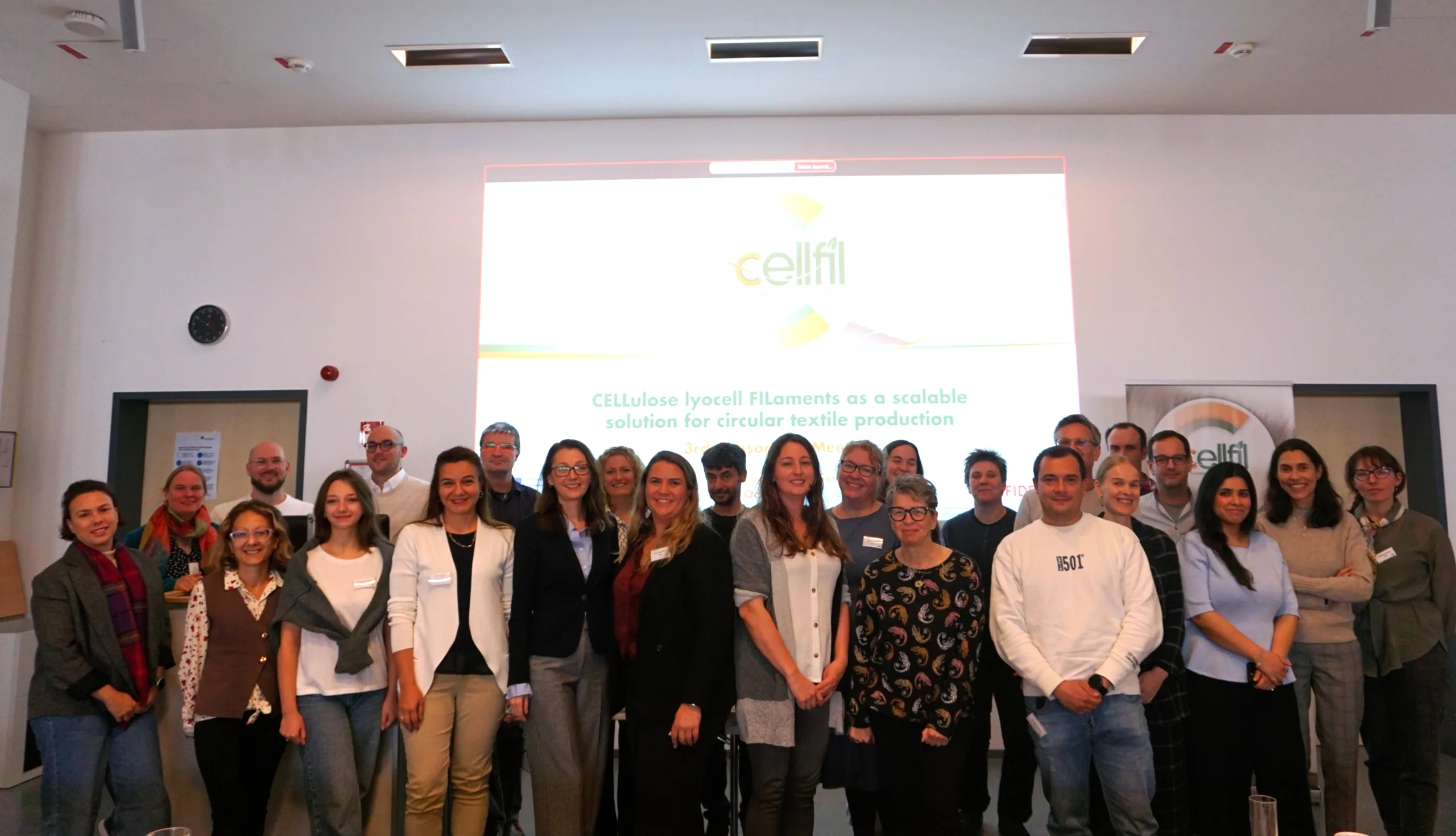
Consortium members meeting in Mönchengladbach. (Photo by RTDS)
Key technical highlights in CELLFIL’s progress
Optimizing Lyocell filament feedstock and yarn production
The collaboration between Orange Fiber and LENZING marked a significant milestone in adapting citrus-derived cellulose for Lyocell filament production. Despite initial challenges, a successful treatment enabled pilot-scale processing with up to 30% orange fiber pulp. Ongoing efforts now focus on developing a scalable pulp processing to ensure future feedstock compatibility.
Yarn functionalization and processing to improve characteristics for different application areas
Scientific efforts aimed to enhance the performance and processability of Lyocell filament yarns through targeted trials. Discussions covered recent trials and collaborative efforts to identify reliable industrial partners for future supply chain. Experimental work on yarn processing showed encouraging potential for improving filament properties and offering valuable insights for ongoing research and development.
Lyocell filament fabric development, exploiting textile production routes
The work focused on developing and optimizing Lyocell filament fabric structures for sportswear and apparel through knitting, weaving, and dyeing trials. Partners explored various yarn types and textile constructions, gaining insights into processability, dimensional stability, and color fastness. The results are shaping the next phase of development, with a focus on material composition (blends vs. mono-materials), sustainable dyeing techniques, and performance testing.
Development and validation of Lyocell filament end-user textile applications
The aim is to develop and validate Lyocell filament-based prototypes (Adidas, Continental, Martur Fompak, Riga University of Technology ) for diverse applications, including apparel, footwear, and technical textiles. Partners have begun testing yarns, designing prototypes, and benchmarking the performance across sectors. The next phase will concentrate on evaluating comparing Lyocell filament-based textiles with conventional market alternatives to ensure functionality, aesthetics, and sustainability.
Defining the framework conditions for the sustainable, economic, and safe upscaling of Lyocell filament production in Europe
The researchers (Aalto University, Quantis) laid the groundwork for understanding consumer behavior, environmental impact, and socio-economic feasibility of scaling up Lyocell filament production. Preliminary findings reveal low public awareness of bio-based textiles despite growing interest, especially among younger consumers, while ongoing LCA and S-LCA assessments are helping identify sustainability hotspots and social risks across the value chain. Techno-economic analyses are also underway to evaluate the viability of agri-based feedstocks and guide future investment strategies.
Project Dissemination and Public Awareness
The communication and dissemination activities continue to ensure strong visibility and transparency of CELLFIL’s outcomes across platforms and stakeholder groups.
Spotlight on the host: Hochschule Niederrhein’s Textile Innovation Hub
A highlight of the meeting was the visit to Hochschule Niederrhein. The university, known for its strong applied research in textiles and sustainable materials, provided an inspiring setting for the meeting. Partners had the opportunity to tour the university’s state-of-the-art laboratories and engage with researchers working on innovative textile technologies. The visit highlighted the host’s commitment to bridging academic research with industrial application. During the tour, partners gained valuable insights into advanced testing methods, yarn and fabric development, and the integration of circular design principles into textile production.
Future outlook
The third CELLFIL consortium meeting in Mönchengladbach reaffirmed the project’s commitment to innovation, sustainability, and collaboration across the textile value chain. As the partners continue refining Lyocell filament materials and testing their performance, the focus remains on delivering scalable, circular solutions for the European textile industry. With upcoming milestones in Life Cycle Assessment, consumer research, and product validation, CELLFIL is well-positioned to contribute meaningfully to the transition toward bio-based, low-impact textile production.

3rd Consortium meeting hosted by Hochschule Niederrhein. (Photo by RTDS)
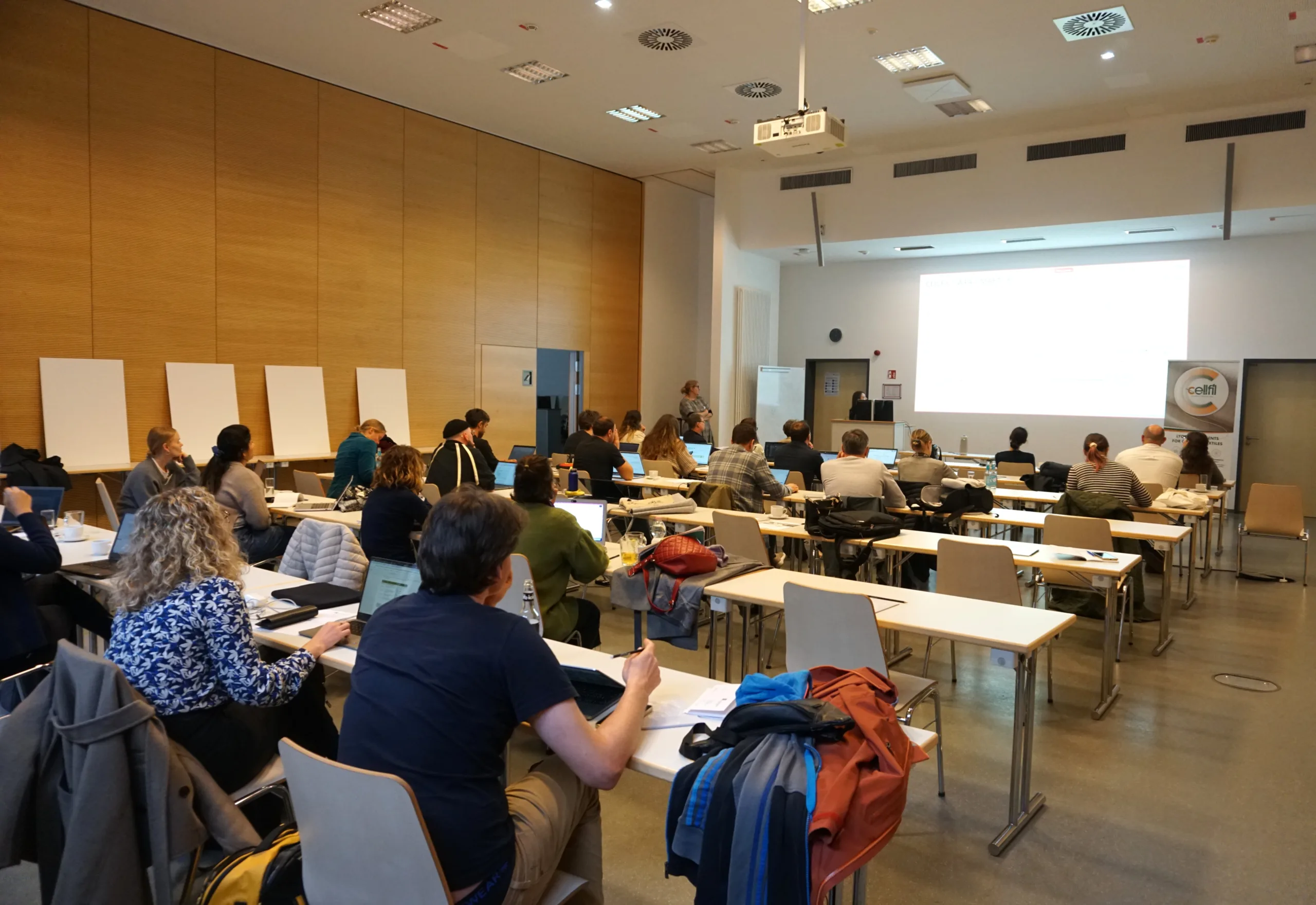
3rd Consortium meeting hosted by Hochschule Niederrhein. (Photo by RTDS)
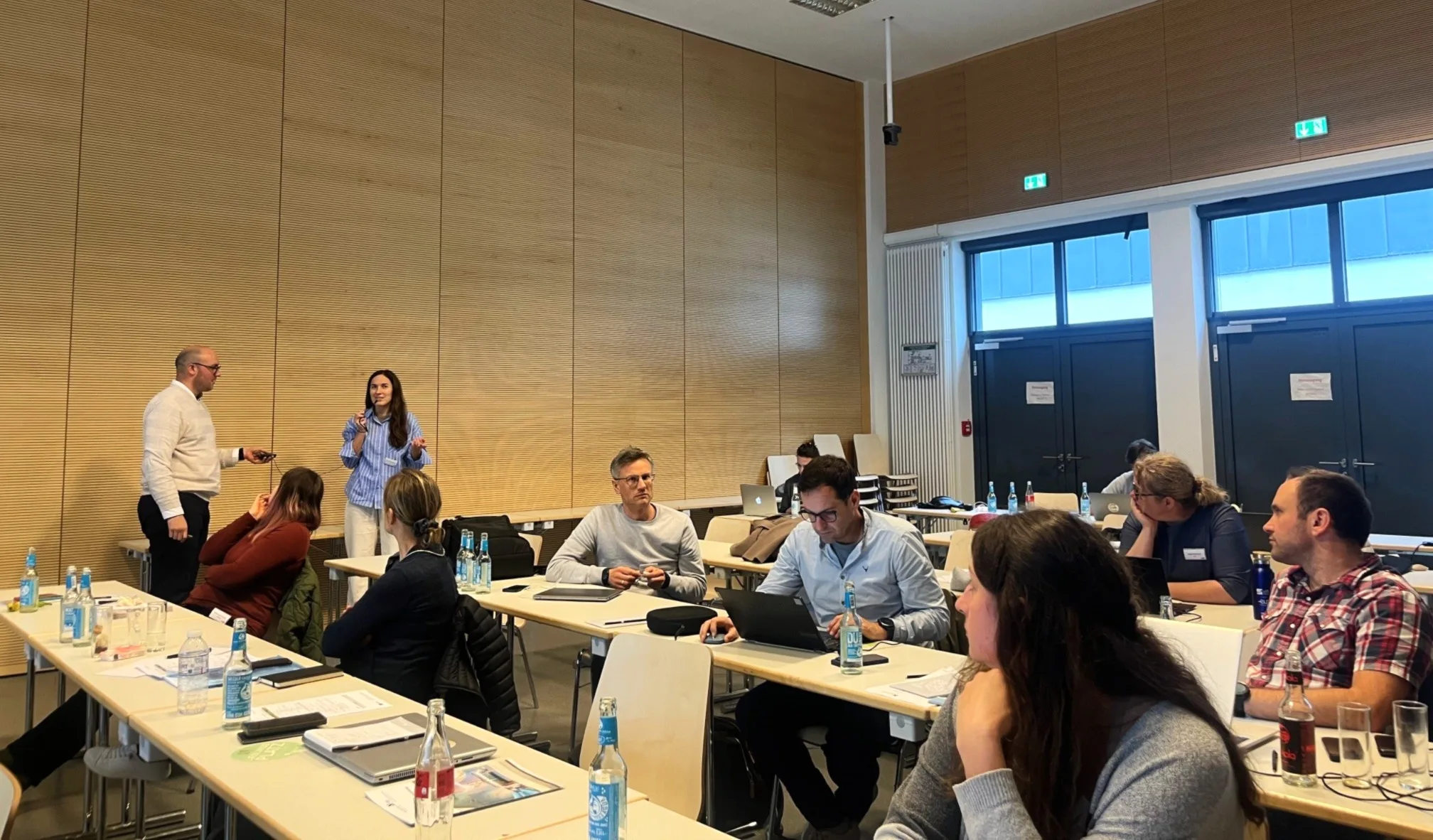
3rd Consortium meeting hosted by Hochschule Niederrhein. (Photo by RTDS)
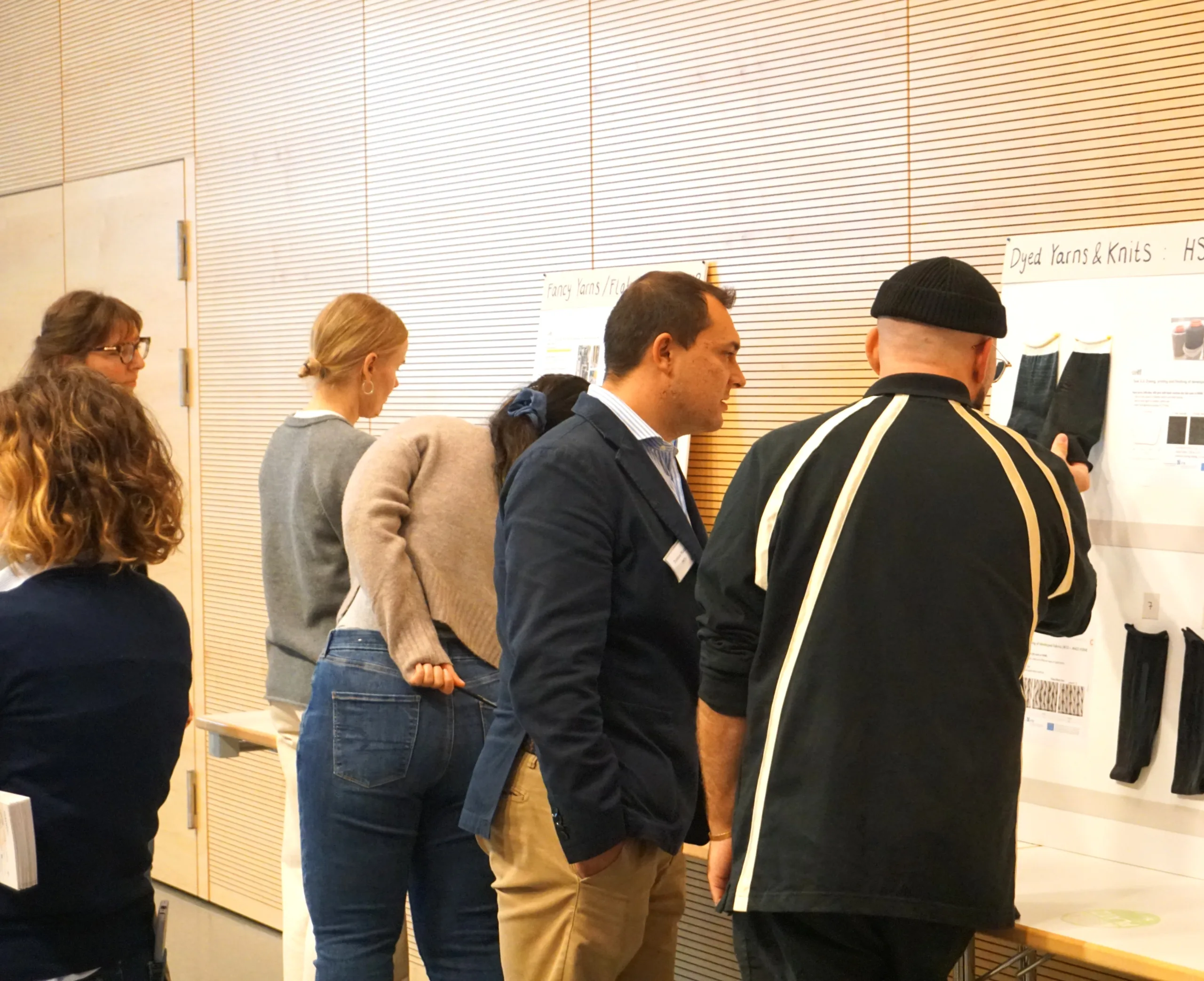
3rd Consortium meeting hosted by Hochschule Niederrhein. (Photo by RTDS)
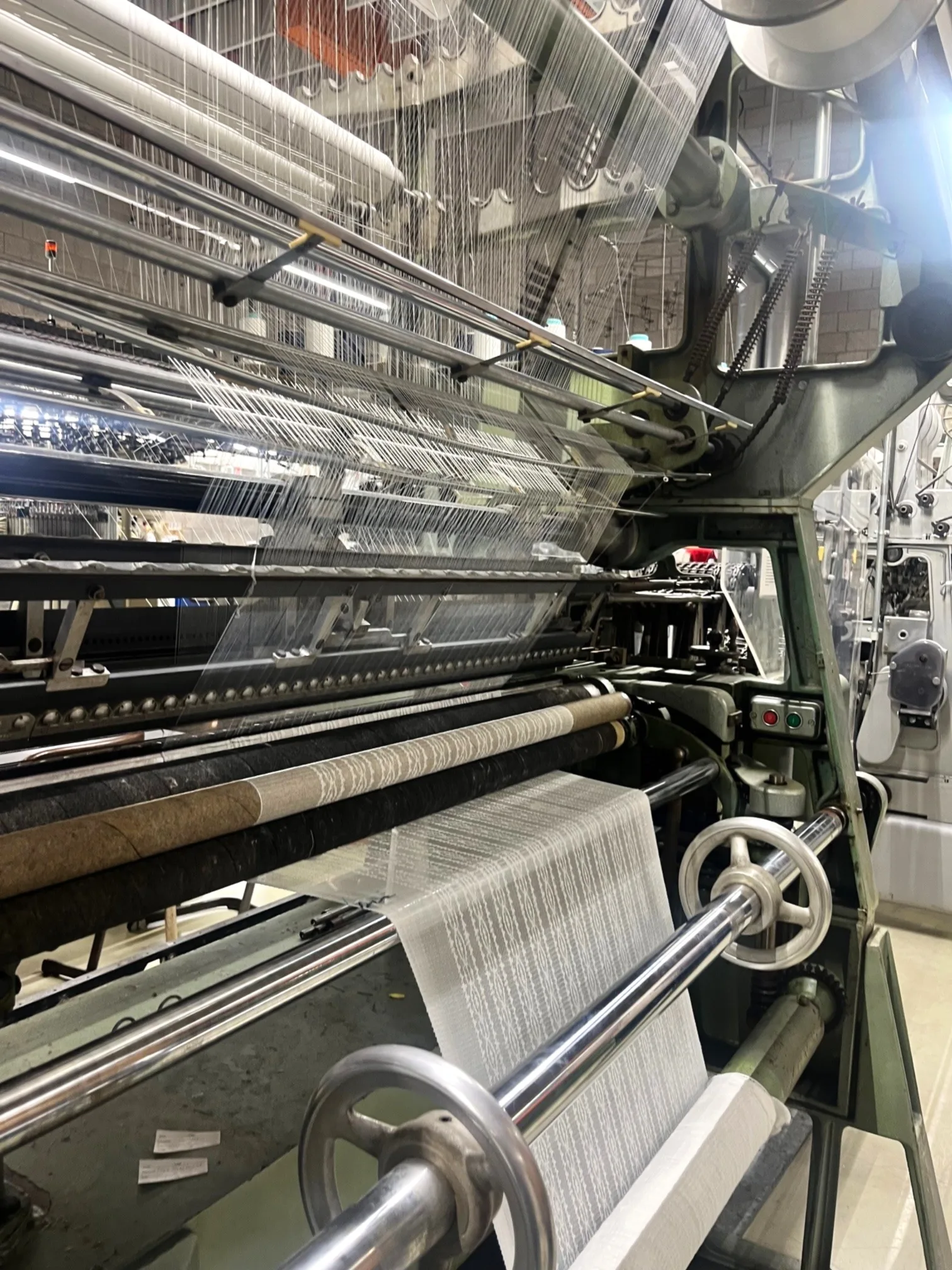
3rd Consortium meeting hosted by Hochschule Niederrhein. (Photo by RTDS)
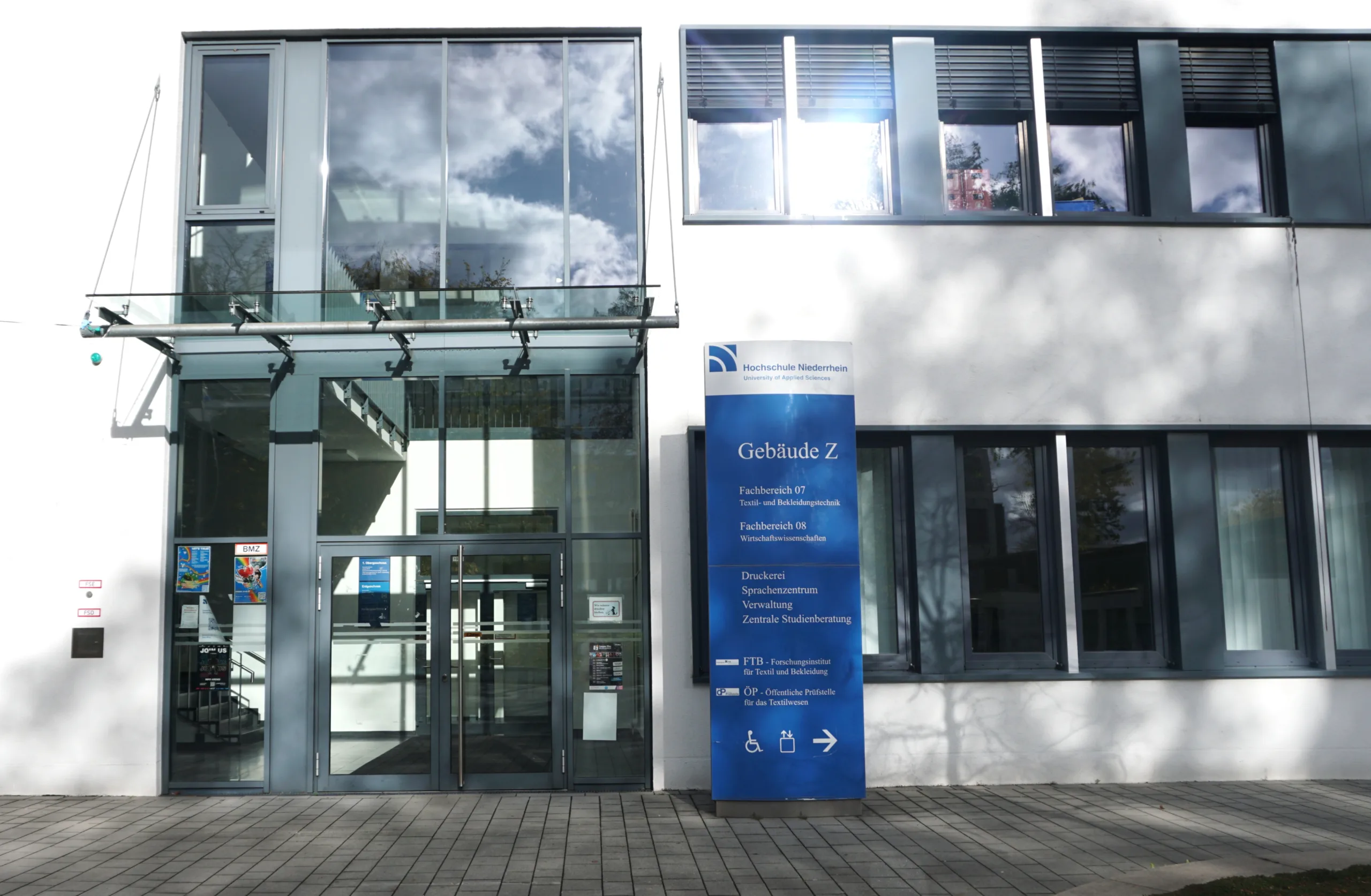
3rd Consortium meeting hosted by Hochschule Niederrhein. (Photo by RTDS)
Article by Marianna Granatier from RTDS