
What if the clothes you wear, the shoes on your feet, or even the seats in your car were made not from plastic, but from orange pulp? That’s the bold idea driving CELLFIL, a Horizon Europe project that aims to transform the textile industry. By developing Lyocell filament from renewable sources, including orange waste, CELLFIL is proving that sustainable innovation can move beyond the lab into real-world applications. From sportswear to artificial leather, automotive textiles, and technical applications the project is prototyping solutions that combine high performance circular design, paving the way for a cleaner textile future.
Why Synthetic Fibers Dominate and Why They Need Competition
The global demand for textile fibres is skyrocketing. According to the latest Materials Market Report, the production reached 124 million tonnes in 2023, with projections climbing to 160 million tonnes by 2030. Today, synthetic fibres account for a staggering 67% of that volume, with polyester alone accounting for over 57%. By contrast, Lyocell, a cellulosic fibre, represents just 0.3% of the market.
Polyester’s popularity stems from its affordability, durability, and versatility. Made from petrochemical-base (PET), it is lightweight, wrinkle-resistant, and easy to maintain. It also blends well with other fibres and resists UV exposure, making it indispensable for clothing, home textiles and industrial products.
However, polyester comes at a high environmental cost. It is non-biodegradable, sheds microplastic, and its hydrophobic nature limits comfort, especially in performance wear that demands breathability and moisture absorption. The industry urgently needs a sustainable rival.
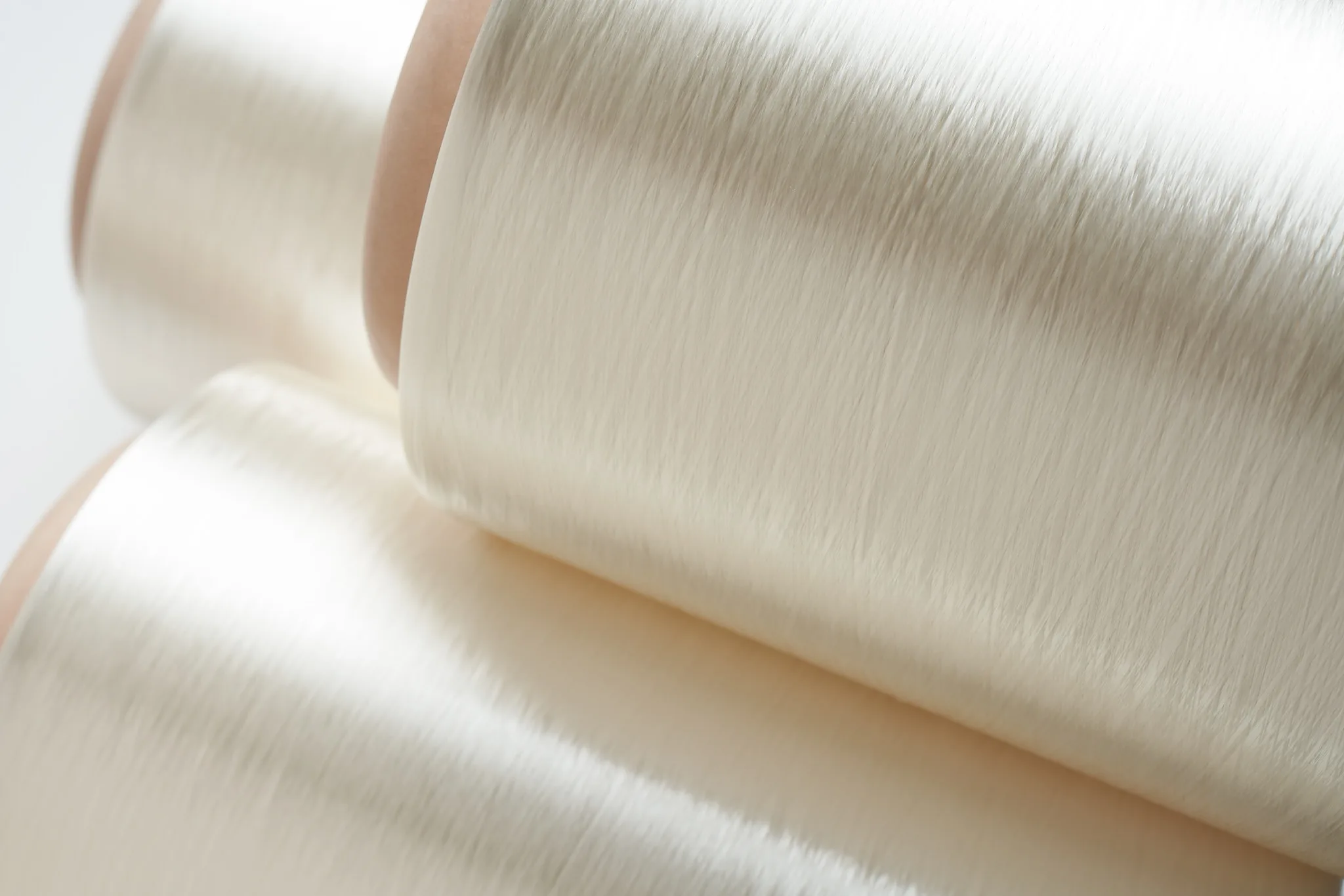
Lyocell filament produced by Lenzing. (Photo by Lenzing)
Why Lyocell Filament Stands Out
Lyocell is a 100% cellulosic fibre produced through an eco-friendly process that dissolves wood pulp in a non-toxic organic solvent. Thanks to a closed-loop system that recycles over 99% of the solvent, Lyocell is one of the most sustainable fibres available today.
Beyond its green credentials, Lyocell delivers on exception performance. It rivals polyester in strength, and outperforms cotton and other man-made cellulosic fibres in durability. Lyocell also offers:
- Softness & drape comparable to luxury fabrics
- Thermal resistance & shape stability for technical use
- Moisture absorption & breathability for comfort
- Versatility in blends for tailored applications
This unique combination makes Lyocell filament suitable for a wide variety of applications, from lightweight sportswear to technical textiles and industrial reinforcements.
From Lab to Life: CELLFIL Applications
CELLFIL is exploring how Lyocell filament can replace synthetic materials across three demanding sectors:
Sportswear & Consumer Apparel
Performance textiles rely on fibres that deliver durability, stretch and moisture control. While polyester, nylon and spandex dominate, they often compromise on comfort and sustainability. Lyocell filament offers natural breathability, sweat absorption and softness, helping the body temperature during exercise. In collaboration with Adidas, CELLFIL is prototyping sportwear that combines athletic performance with environmental responsibility.
Technical Textiles
Working with Continental, CELLFIL is aiming to increase the availability of sustainable textiles in technical applications like artificial leather, hoses and printing blankets. Conventional artificial leather uses synthetic base fabrics coated with polymers. While effective, these substrates, often polyester, are not biodegradable. A printing blanket is a rubber-coated fabric acting as an intermediary between the inked printing plate and the paper. Fabric consists of several layers and may combine synthetic and natural fibres, chosen for their varying strength and durability to meet specific printing needs. Lyocell filament could provide a durable, flexible and sustainable base layer for these technical applications.
Automotive Textiles
Interior car fabrics must withstand heavy use, retain colour and ensure passenger comfort. Polyester is the go-to material for seat covers and carpets, while nylon dominates airbags and seatbelts. Lyocell filament could offer a biodegradable alternative for seat fabrics and interior materials. In partnership with Martur Fompak, CELLFIL is testing prototypes that could reshape the future of automotive interiors.
A Sustainable Shift in Textiles Starts Here
CELLFIL represents more than a research project. It’s a turning point for sustainable textiles. Despite Lyocell´s current niche market share and relatively high production costs, its potential is immense. By sourcing Lyocell filament from renewable feedstocks like orange pulp and validating prototypes in demanding industries, CELLFIL is proving that performance and sustainability can go hand in hand. As global fibre demand continues to rise, innovations like Lyocell filament offer a viable pathway to reduce petrochemical dependence, cut textile pollution and accelerate the shift to circular, biodegradable solutions. This is not just a technical achievement. It’s a glimpse of a more responsible, resilient, and sustainable textile future.
Article by Marianna Granatier from RTDS