
New project CELLFIL, co-funded by the EU, will develop and validate end-to-end production process for novel Lyocell Filament Yarn (LFY)
A consortium of 15 leading European research institutions and industrial partners will collaborate to enhance the textile value chain with biobased cellulosic filaments.
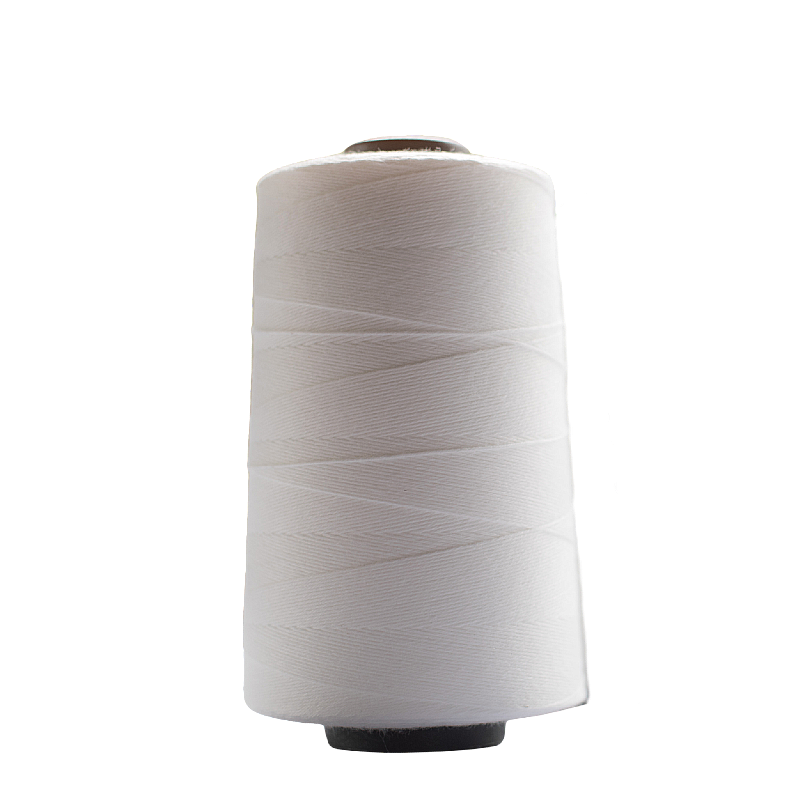
22 July 2024, Vienna, Austria – RTDS Group, a leading nonprofit organization in Austria supporting European research and innovation actions, has launched the CELLFIL project.
This initiative, part of the European Union’s Horizon Europe research and innovation programme, is formed by fifteen partners from eight countries. The centrepiece of this 4-year project is the sustainable and robust production of lyocell filaments. By optimising the entire fabric production process and its intermediate processing steps, the aim is to replace synthetic fibers with environmentally friendly lyocell filaments in recyclable end applications.
This approach aims to develop and utilise alternative raw material sources for textiles. To promote a circular economy in Europe and globally, the textile and clothing industry must embrace significant changes such as introducing durable, repairable, and recyclable materials, with a high proportion made from recycled fibers and free from harmful substances. Achieving such sustainable practices requires innovation across the entire value chain, which is currently fragmented and inefficient.
“We are proud to partner with key industry and academic partners to advance bio-based Lyocell filament and foster a more sustainable textile production through this innovation project. Our consortium partners bring their expertise in sportswear garments, women’s wear, automotive textiles, industrial fibers, machinery, as well as valuable academic knowledge,” said Stephen Webb, Project Coordinator and CEO of RTDS Group.
About CELLFIL
The CELLFIL project, led by RTDS Association with technical coordination by Lenzing Group, a world-leading provider of specialty fibers for the textile and nonwoven industries, involves a consortium of key industry and academic partners. These partners include Aalto University, adidas, Continental, Filati Poland, Heberlein AG, Hochschule Niederrhein, Nordfels, Maglificio Ripa SRL, Martur Fompak International, Orange Fiber, Quantis, Ratti Luino S.r.l., and Riga Technical University.
This ambitious initiative secured 6.9 million euro from the European Union’s Horizon Europe research and innovation programme under grant agreement number 101135042.
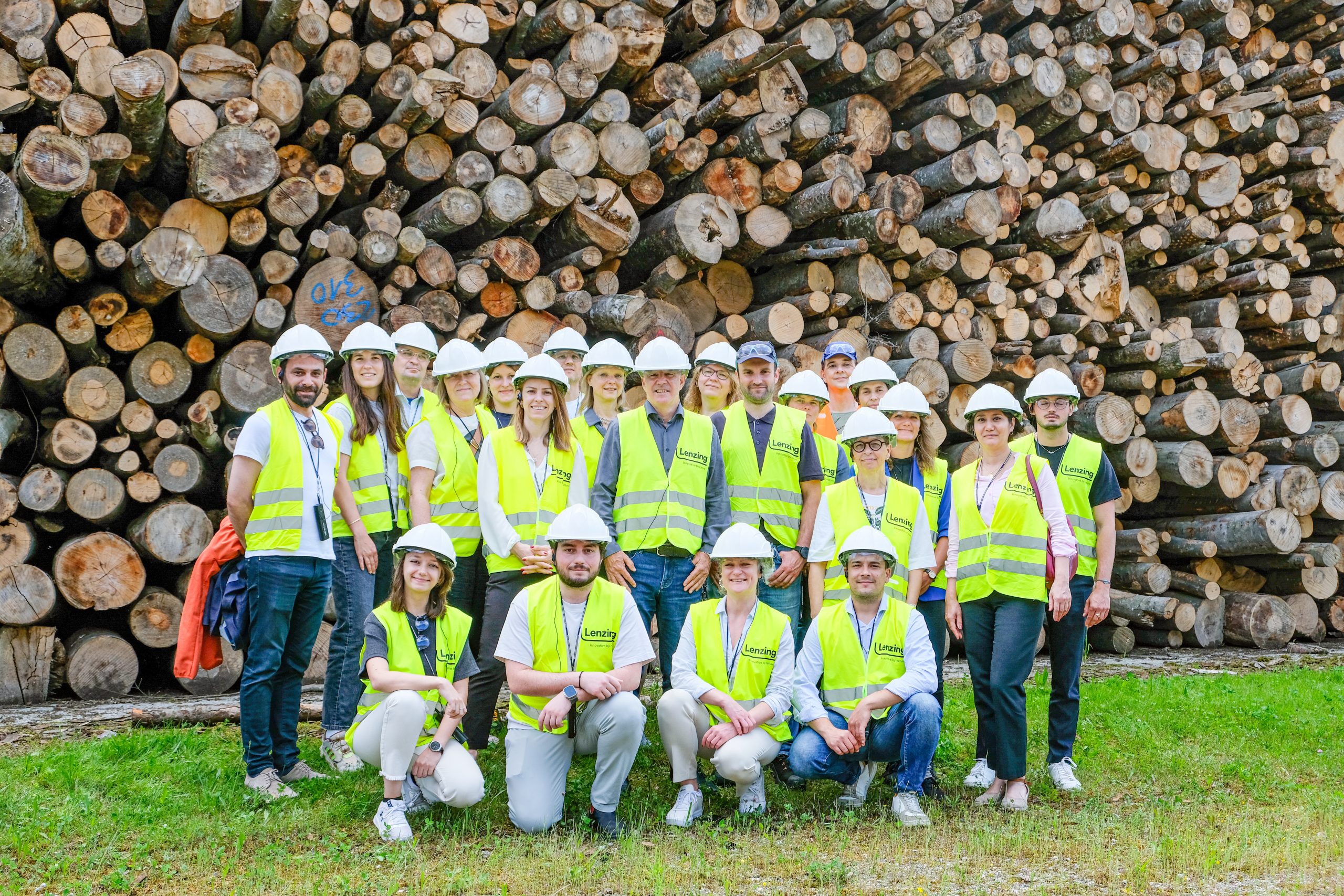
CELLFIL was inaugurated with a kick-off meeting in June 2024, hosted by project partner Lenzing Group in Lenzing, Austria. Lenzing Group, the Austrian global innovator and leader in cellulosic fiber textiles, developed a production process for Lyocell filament yarn and first introduced it to the market in small volumes in 2017.
However, the development of the value chain and overall market acceptance are still in the early stages. Pooling its decades-long experience, knowledge, and technology, the consortium partners will further enhance the usability and acceptance of LYF throughout the value chain to foster sustainable upscaling.
Markus Pichler, the Lyocell Filament Product and Process Development expert at Lenzing and CELLFIL Technical Coordinator emphasised the project’s potential:
“We are still in the industrial start-up scale for Lyocell filament. Many aspects, such as lyocell filament availability in the supply chain and technological adjustments for processing cellulosic yarn properties, need to be addressed to transform the textile industry’s capacity, which is currently more suited for polyester filaments.”
Pichler further highlighted,
“The beauty of a project like CELLFIL is that we can test the LFY properties across the entire value chain and shift boundaries to improve characteristics for different types of applications.”
Sustainable Innovation Across the Textile Value Chain
The CELLFIL project (short for CELLulose Lyocell FILaments as a Scalable Solution for Circular Textile Production) aims to develop and validate key production processes across the textile industry value chain, focusing on five key objectives critical for upscaling Lyocell filament production and achieve a circular economy goals:
- Optimization of Lyocell filament feedstock and yarn production
- Enhancement of yarn functionalisation for various applications
- Refining machine settings for Lyocell filament fabric development
- Development and validation of end-user textile applications for Lyocell filament
- Analysis and optimisation conditions for market acceptance and upscaled production to support a circular textile industry in Europe
Furthermore, the project will demonstrate the versatility and added value of sustainable Lyocell filament yarns and fabrics across a wide range of textile applications, including performance wear, automotive textiles, and technical textiles.
Europe’s Vision for Sustainable and Circular Textiles by 2030
Parallel to technical developments, the four-year CELLFIL project also aims to engage policymakers on prerequisites and opportunities for expanding sustainable Lyocell Filament Yarn (LFY) production across Europe.
In 2022, the European Commission launched its visionary roadmap towards a sustainable future for textiles, acknowledging the sector’s significant environmental impact and its pivotal role in Europe’s economy. With textile consumption ranking among the top pressures on water and land use, as well as raw material use and greenhouse gas emissions, the Commission’s 2030 Vision for Textiles outlines a transformative agenda. By ensuring all textiles in the EU market are durable, repairable, and recyclable, with a high proportion made from recycled fibers and free from hazardous substances, the strategy aims to foster a circular economy. This initiative underscores Europe’s commitment to sustainable innovation and a greener future for textiles, outlined in the EU Strategy for Sustainable and Circular Textiles.