
From 26 to 28 March 2025, the CELLFIL project partners met in Catania, Italy, to review the progress toward upscaling the sustainable Lyocell Filament (LF) for circular textile production.
CELLFIL is an innovation action project, comprised of 15 partners from Europe’s leading textile industry innovators and research institutions. The project unites partners from across the value chain to test and validate novel cellulosic filaments made from circular raw materials, such as wood, orange pulp, and textile waste to replace synthetic fibers. The project has progressed in testing different aspects of the value chain necessary to upscale the production of sustainable Lyocell filament.
Hosted by project partner Orange Fiber, a pioneer in sustainable fabrics made from citrus juice by-products, and coordinated by RTDS Group, the second CELLFIL consortium meeting reviewed key milestones achieved since the project’s launch on June 1, 2024. Project partners have made significant progress in regenerative cellulosic filament production, testing innovative blended feedstocks such as wood pulp and orange peel pulp. The meeting also outlined the next steps for advancing the project’s goals.
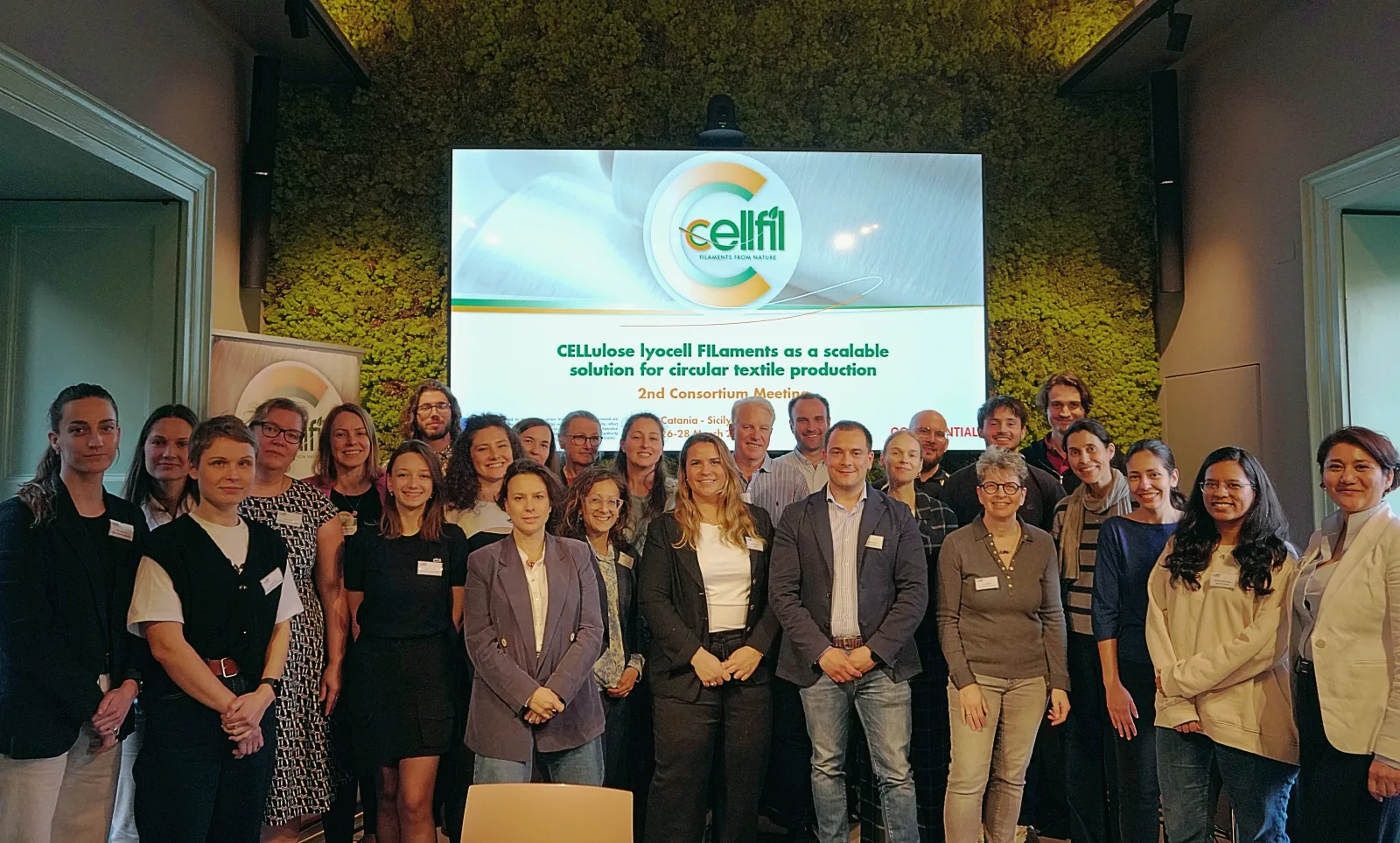
CELLFIL partners at 2nd Consortium Meeting in Catania, Italy. (Photo by RTDS)
Key highlights of current progress include:
- Optimising Lyocell Flament feedstock and yarn production: Advancement in the production of orange peel pulp as a feedstock material for Lyocell filament yarn, with initial test samples produced by Orange Fiber and evaluated by Lenzing, driving progress towards sustainable textile solutions. Additional recommendations for process improvements have also been made based on evaluation findings.
- Yarn functionalisation and processing to improve characteristics for different application areas: Sample materials were tested to enhance characteristics for different application areas, including twisting (RATTI) and texturizing trials (Heberlein), demonstrating the yarn’s potential to meet specific requirements of various textile applications.
- Lyocell Filament fabric development, exploiting textile production routes: This aspect of the CELLFIL project focuses on optimizing fabric production routes, machine settings, and finishing processes to produce segment-specific fabrics with enhanced circularity and end-of-life recyclability, aiming to reduce the environmental footprint across production steps. Current progress includes defining yarns, fabrics, and technologies for various applications, with initial knitted samples tested to finalize yarn selection, fabric development, and testing methods in collaboration with textile manufacturers and research partners (FILATI, RIPA, HSNR). Additionally, methods for optimizing machine settings for fabric production have been implemented, and data have been generated to refine parameters for improved sustainability and environmental performance.
- Development and validation of Lyocell Filament end-user textile applications: Designing, developing, and validating end-user products using optimized LF yarns and fabrics of proven increased recyclability for different product groups – performance sportswear (adidas, FILATI), automotive textiles (MARTUR), and technical textiles and reinforcements (ContiTech) is a crucial step in the project to validate the LFY for tenacity, versatility, and sustainability. Over the first 10 months, the project team shared and collected testing methods, assessed risks, environmental impacts, and the ethics of the testing process. (RTU)
- Defining the framework conditions for the sustainable, economic, and safe upscaling of Lyocell Filament production in Europe: Quantis is conducting a comprehensive Life Cycle Assessment (LCA) to evaluate the environmental performance of Lyocell filament-based textiles across three product groups, from production to end-of-life. This analysis compares Lyocell with conventional practices, considering multiple environmental impacts. Preliminary LCA and S-LCA results will be made public in May 2027. Additionally, preliminary findings from a consumer acceptance survey led by Aalto University offer valuable insights into consumer awareness and positive perceptions of bio-based and recycled textile materials. The final consumer survey results also will be made public in May 2027.
- Project Dissemination and Public Awareness: Disseminating project results is crucial in EU-funded projects to maximize impact and foster collaboration. Partners have actively participated in major textile events and conferences, raising awareness about the project concept and innovations underway. Events include Hannover Messe, Cellulose Fibres Conference 2025, ECOSYSTEX Insights Series, Technology Talks Austria 2024, Bioeconomy Austria Summit, Sustainable Materials Conference & Expo, and the Aachen-Dresden-Denkendorf International Textile Conference.
Innovation in Action: CELLFIL Partners Tour Citrus Juice By-Product Processing Facility
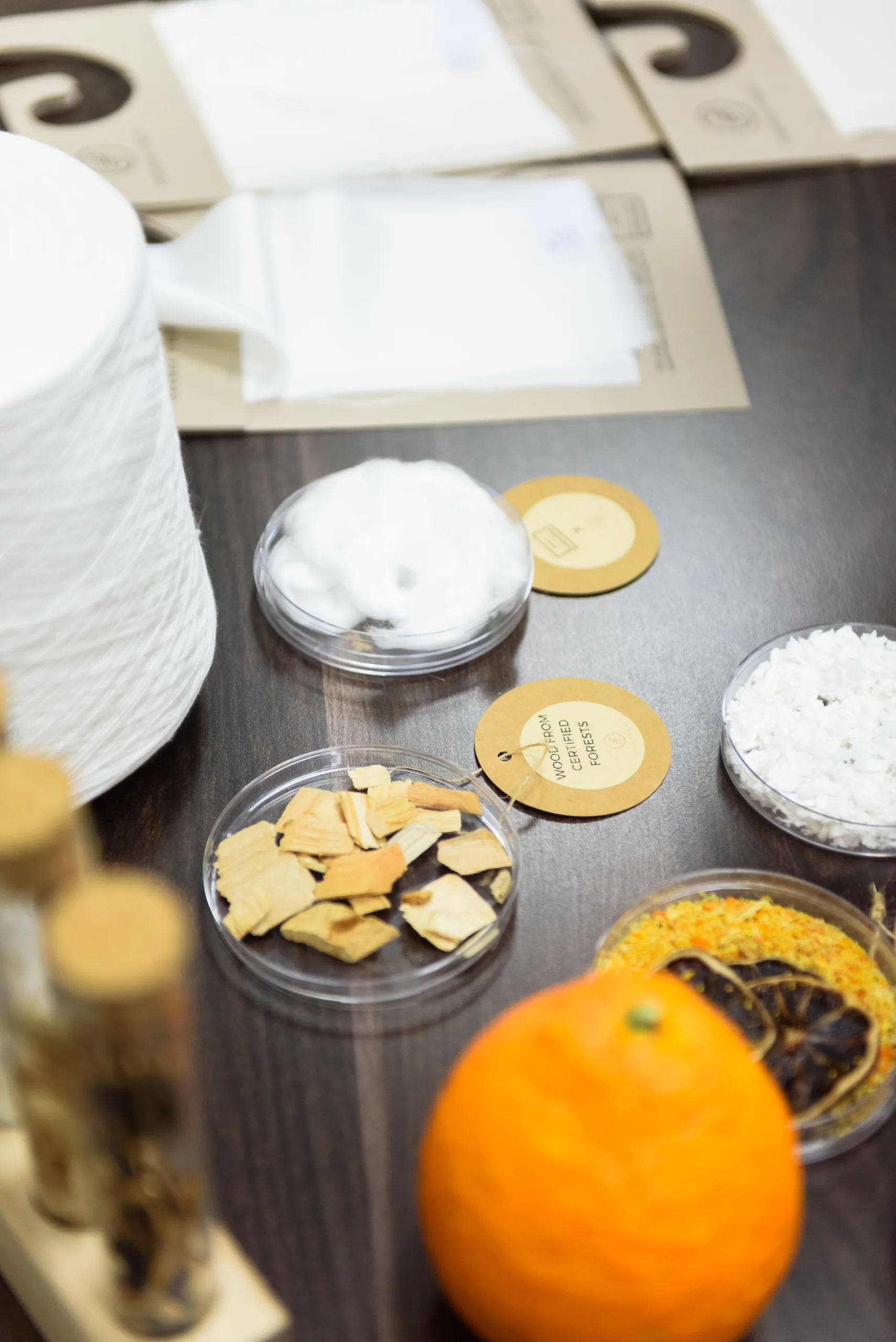
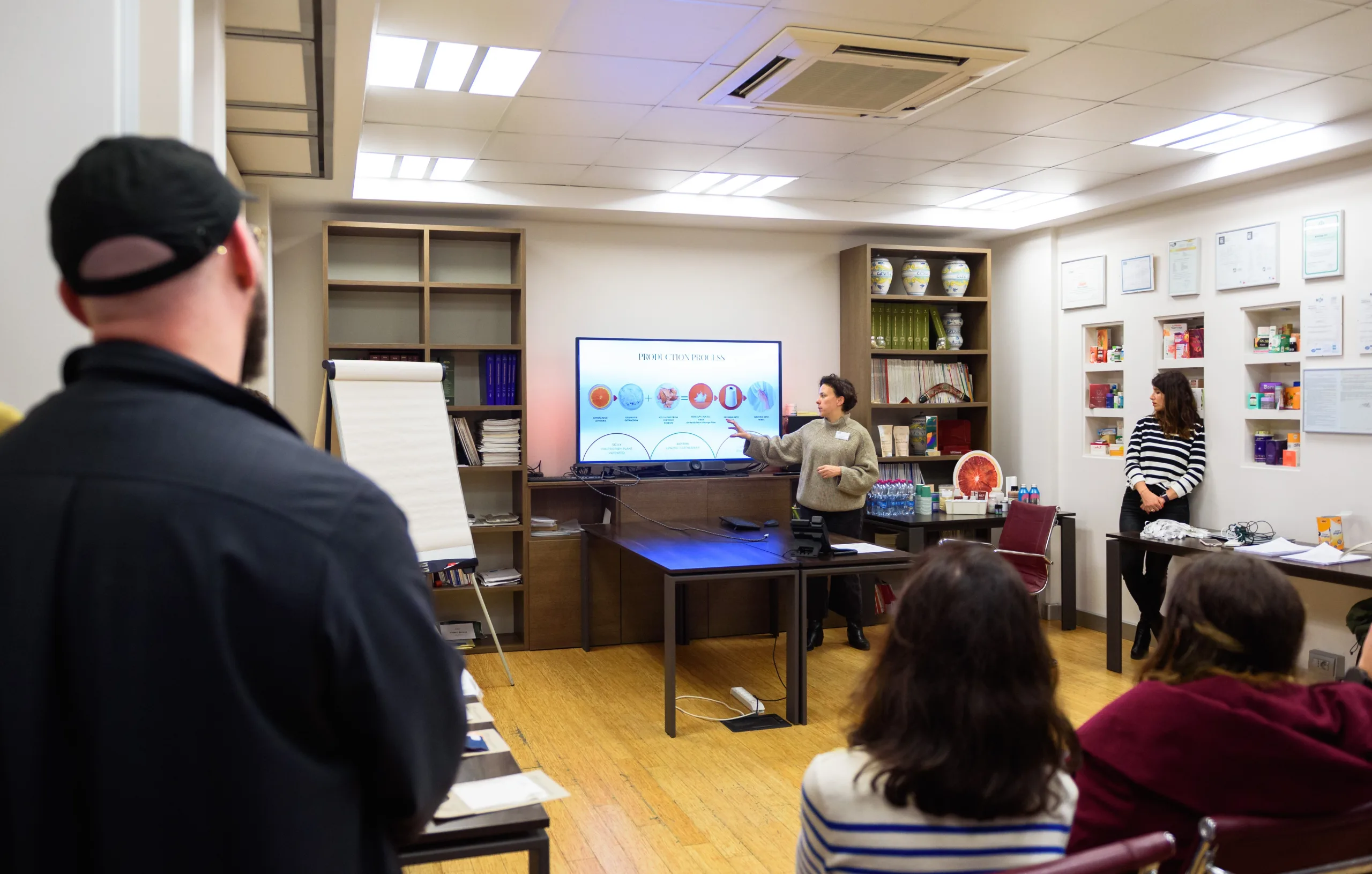
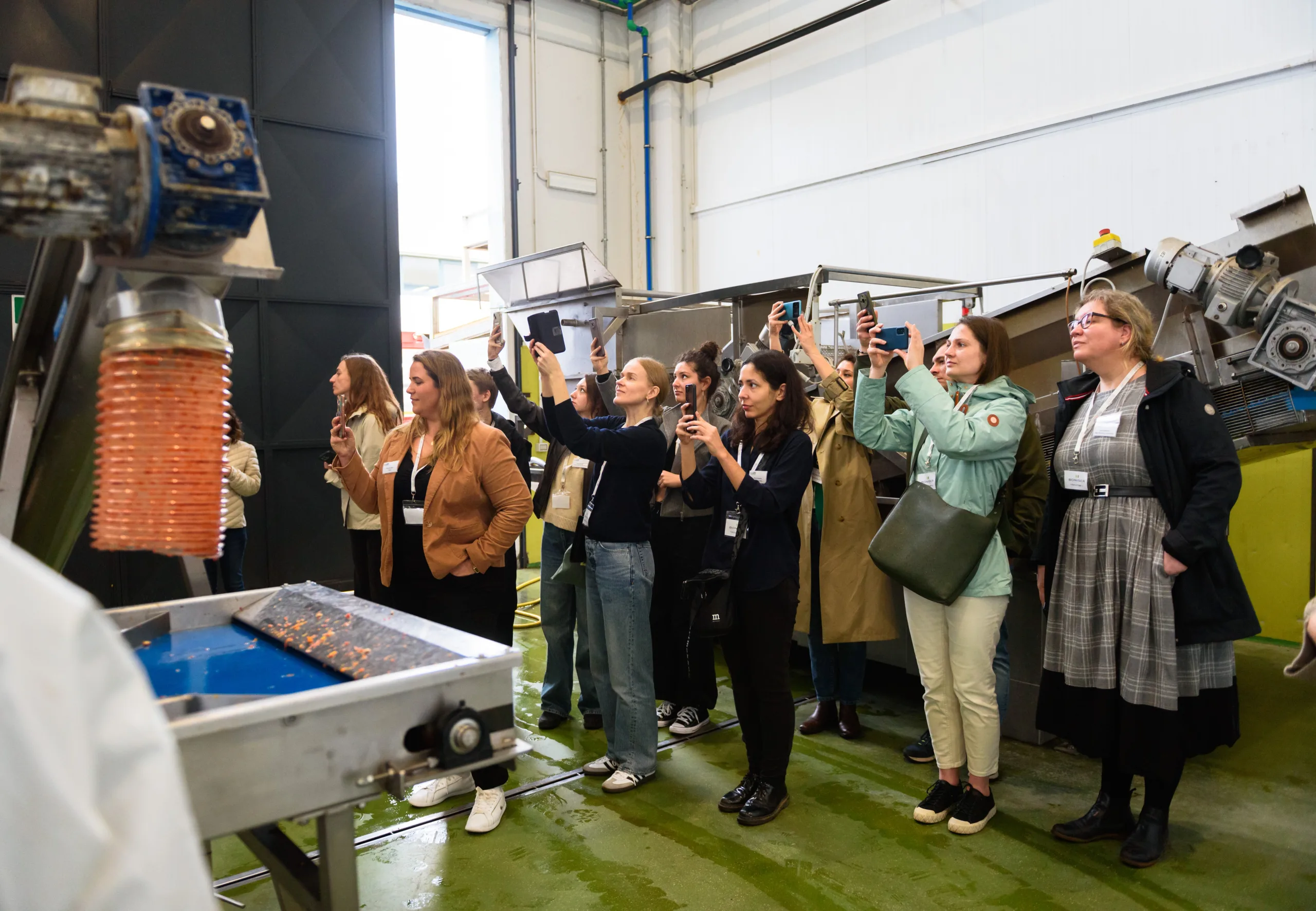
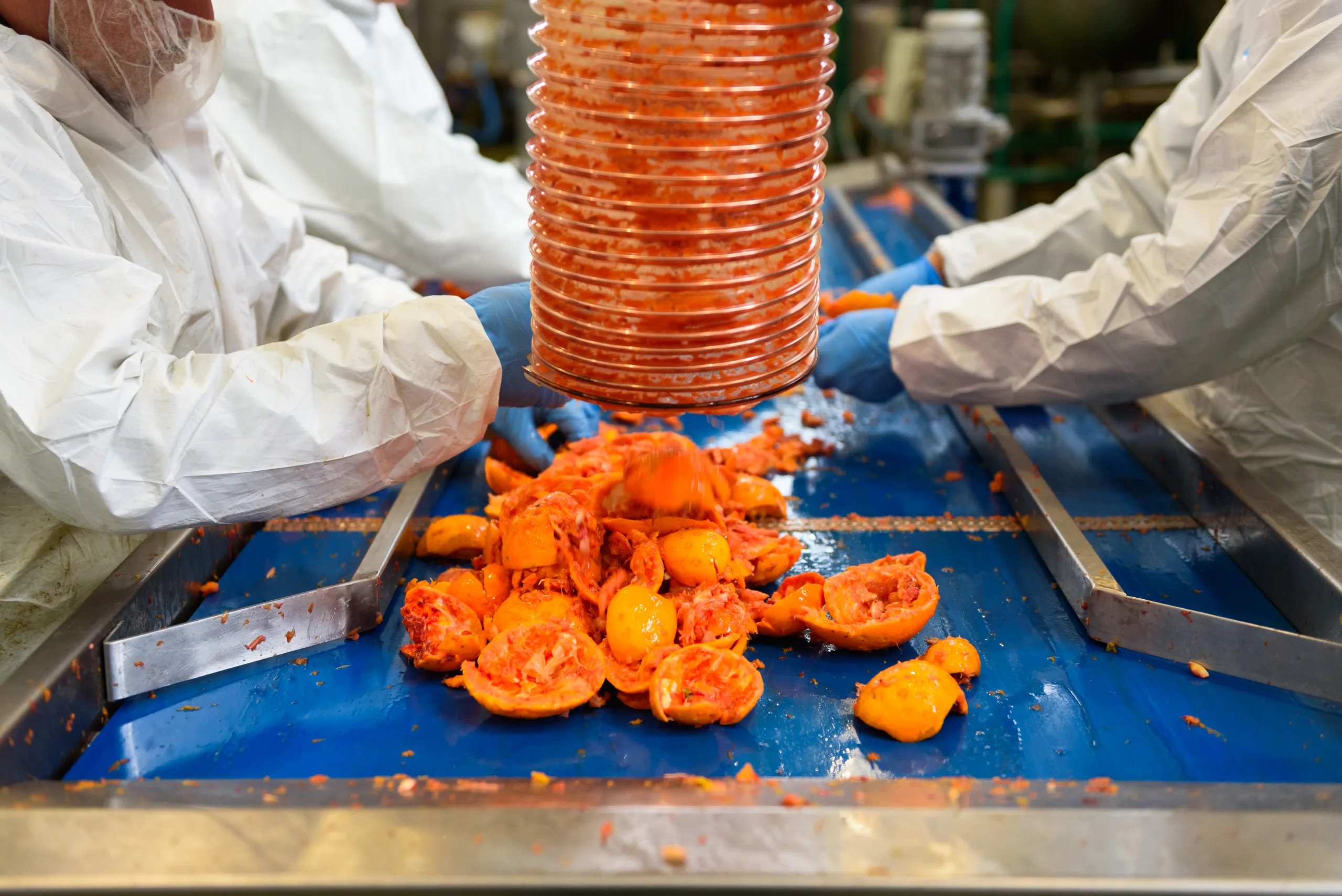
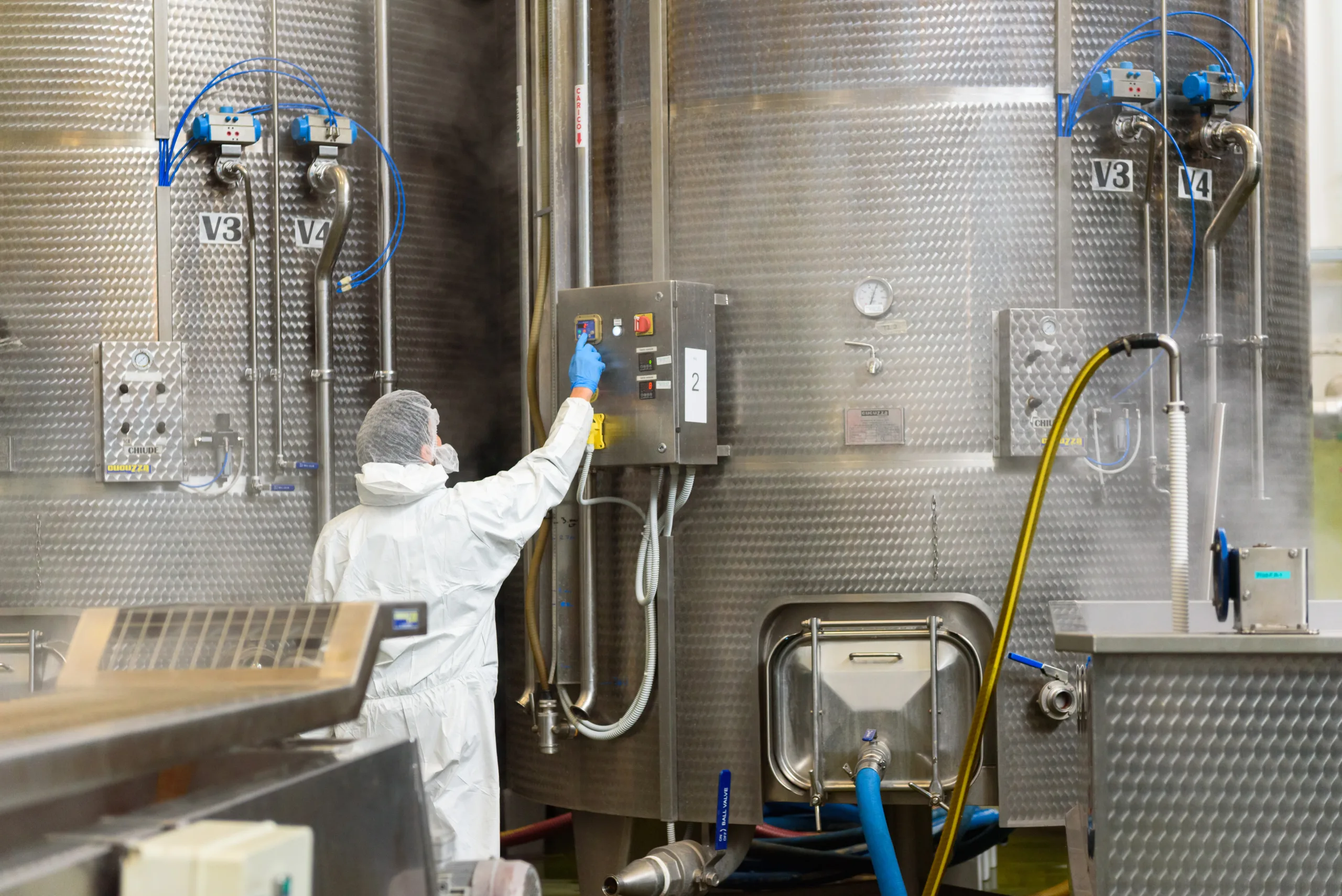
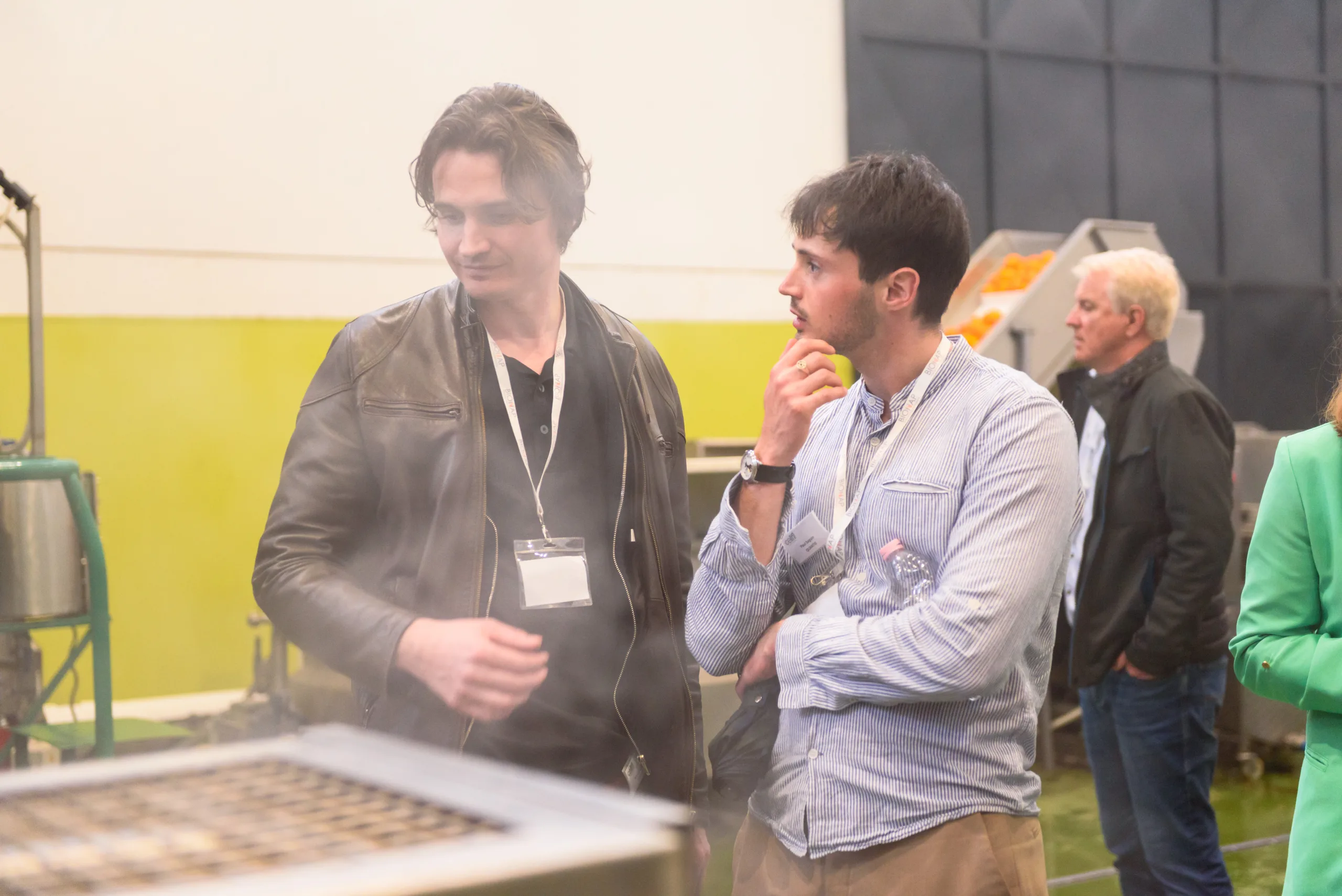
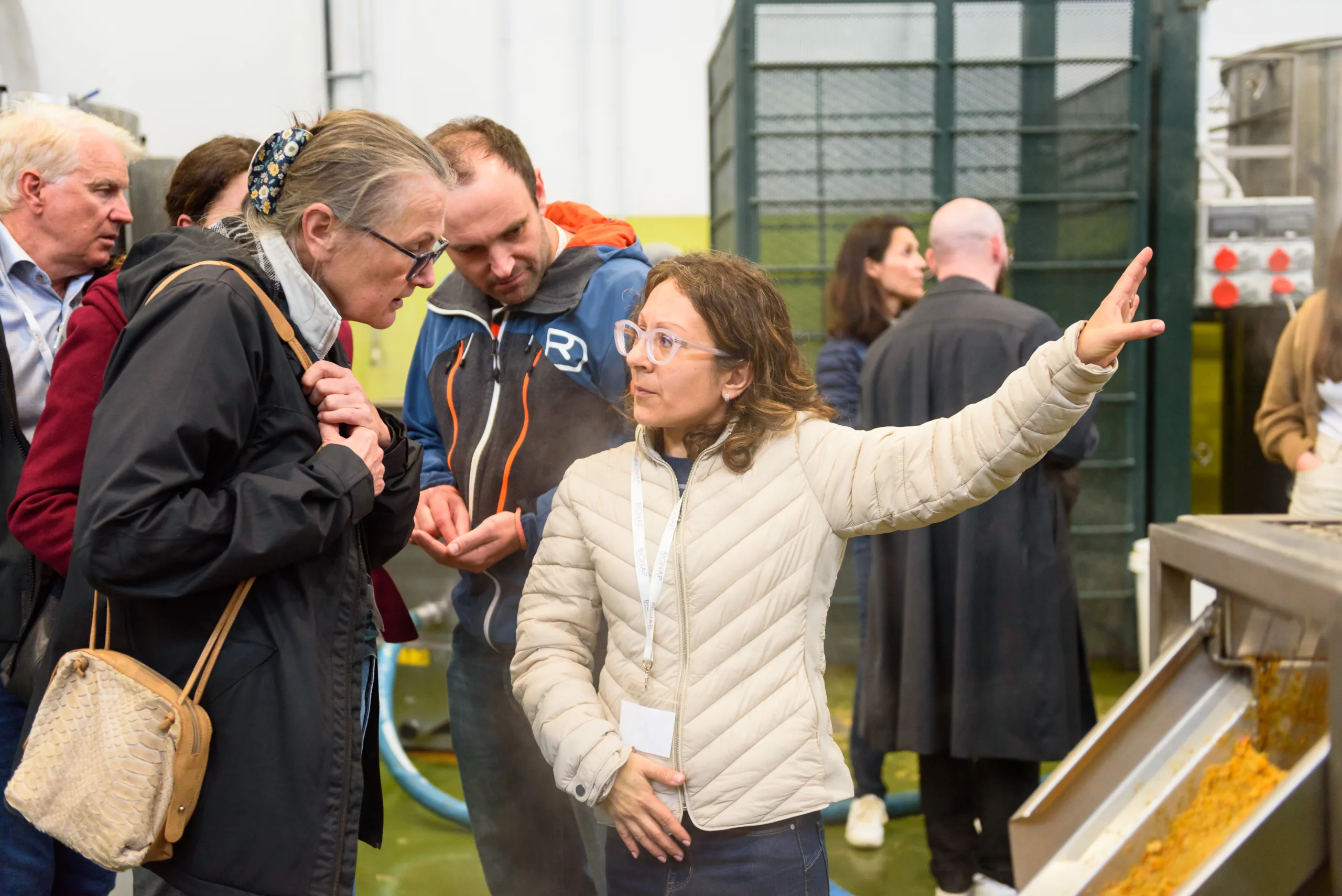
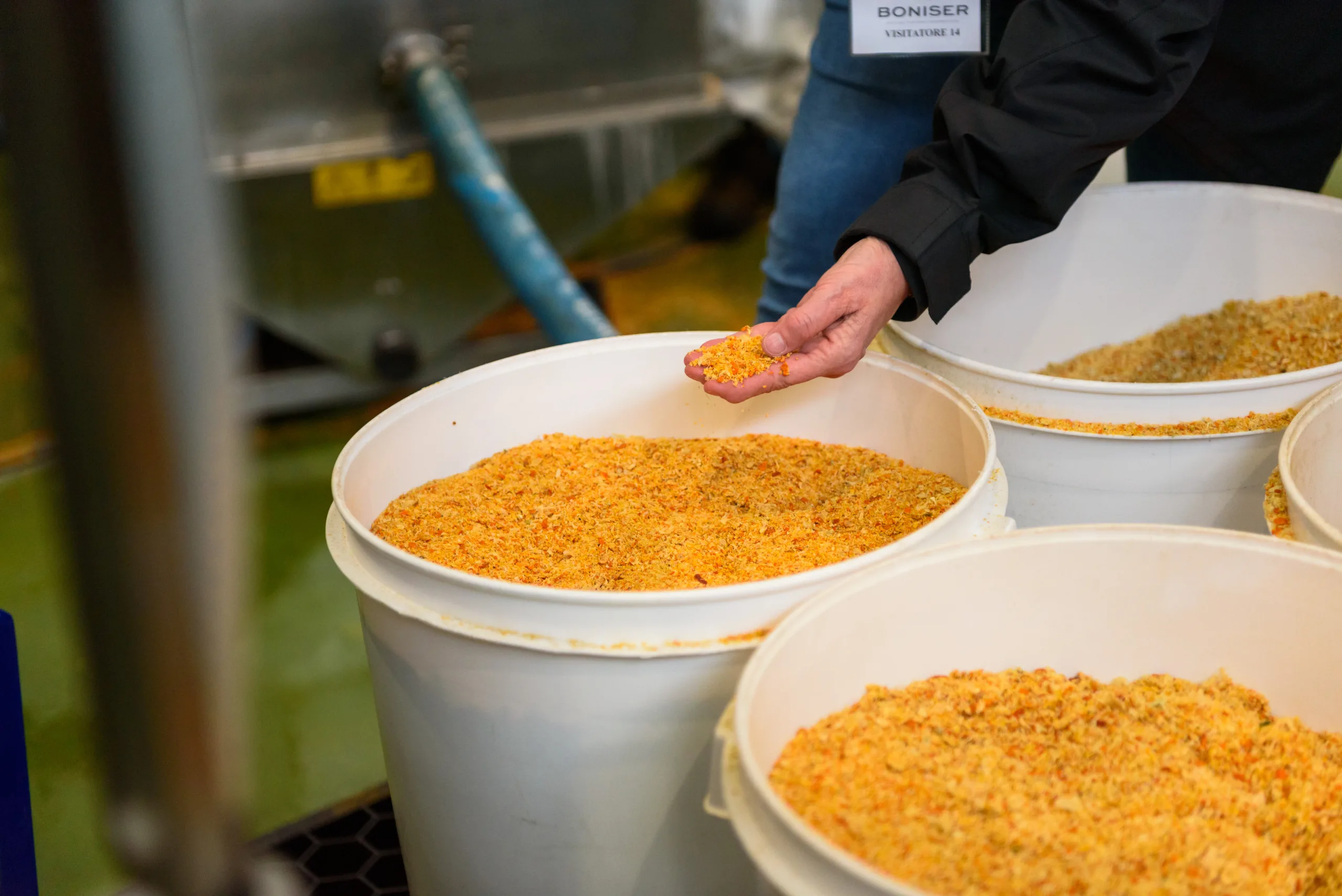
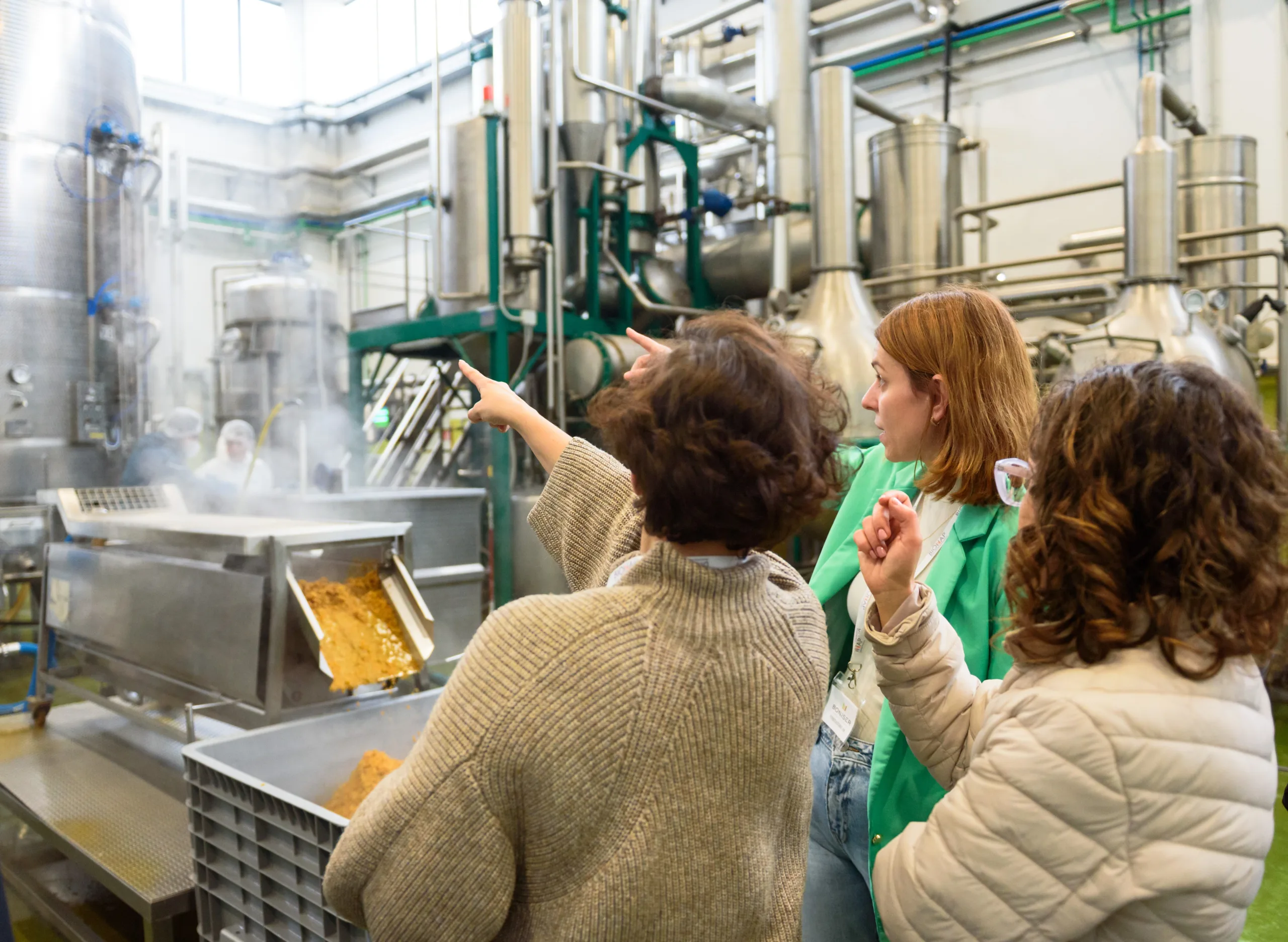
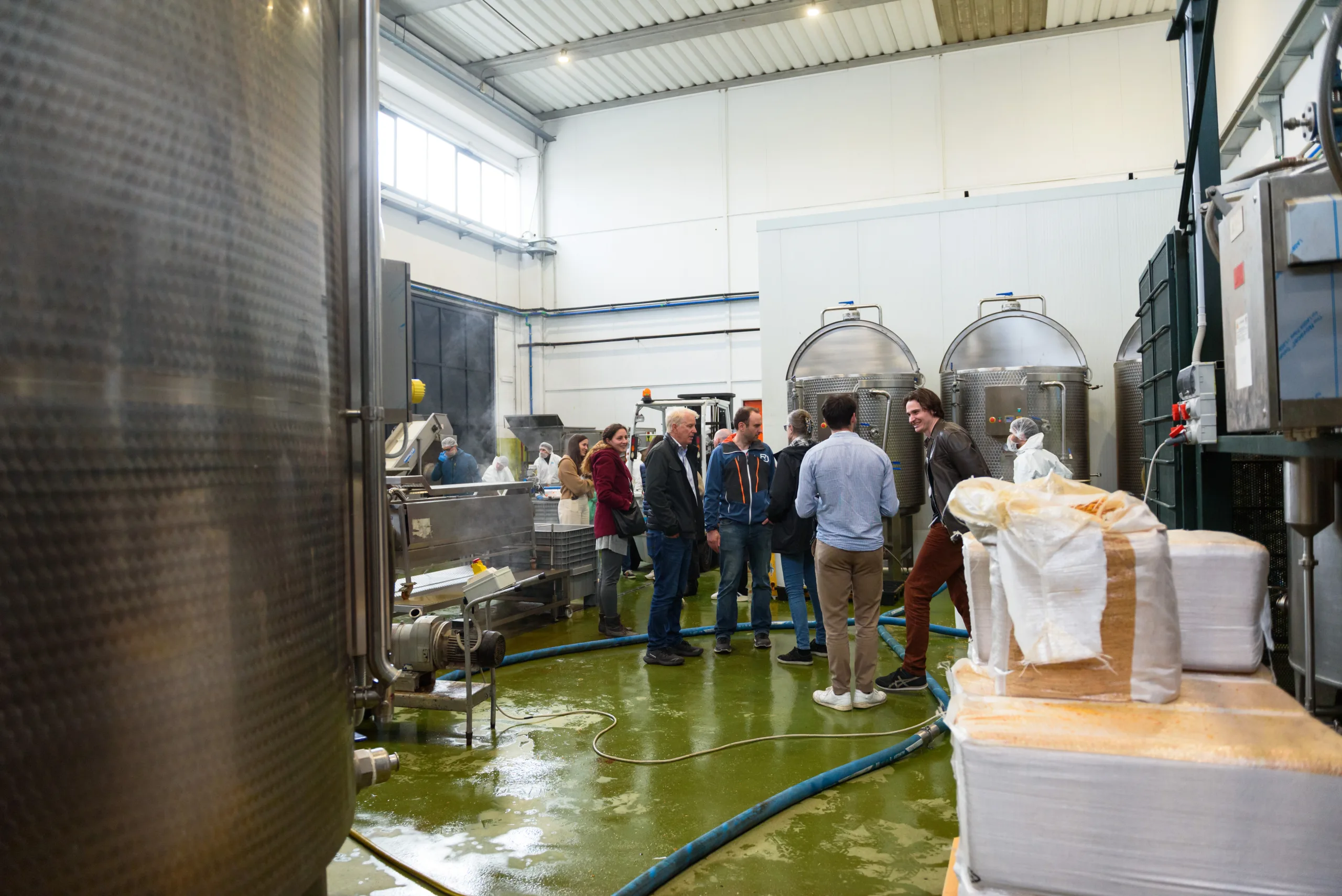
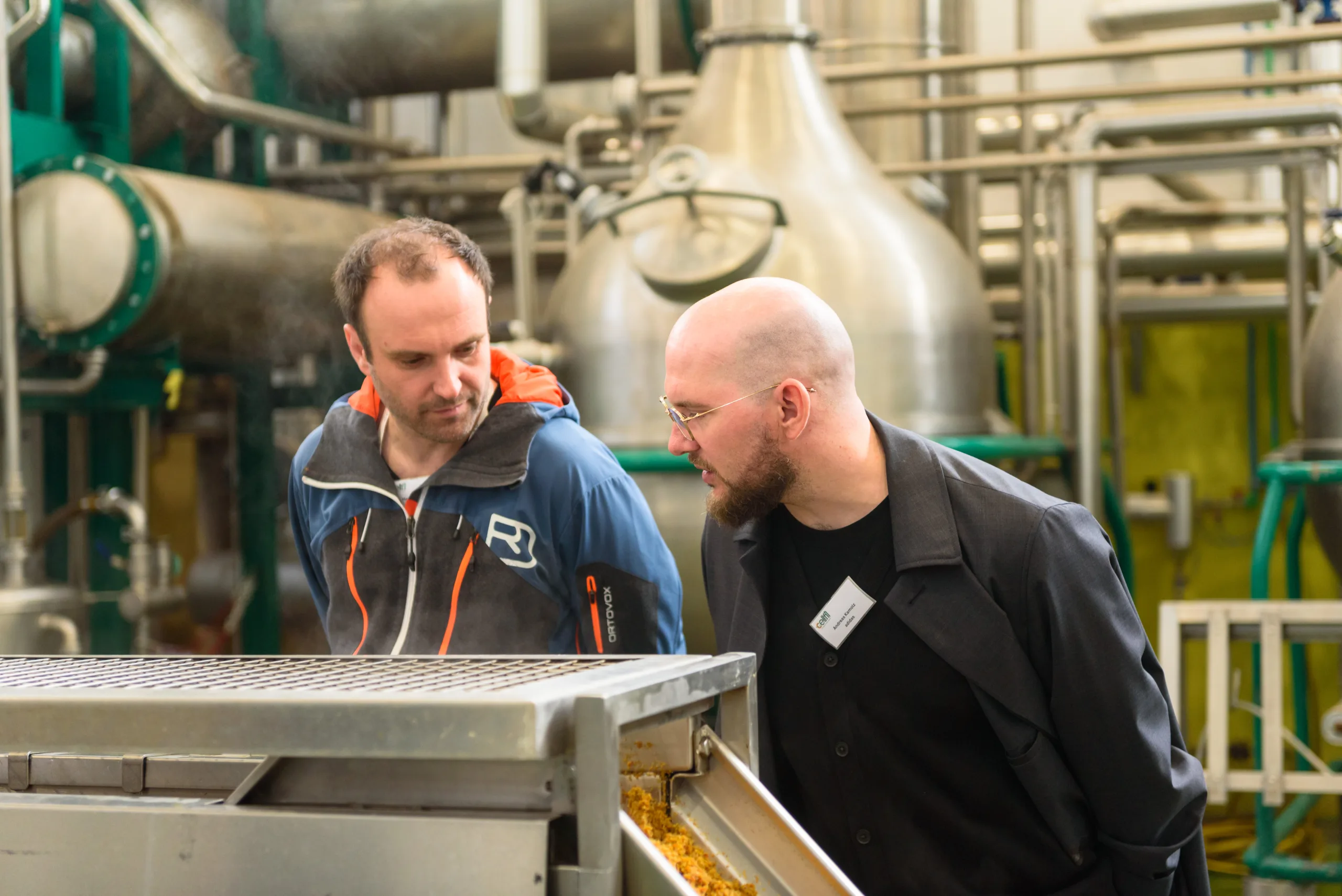
The project partners also visited Orange Fiber’s innovative production site in Sicily, where they witnessed firsthand the company’s sustainable approach to textile manufacturing. Orange Fiber, a pioneer in circular fabrics, transforms citrus juice by-products into high-quality yarns and fabrics. During the visit, partners learned about the company’s cellulose extraction technology, which turns citrus juice leftovers into valuable materials for sustainable textiles.
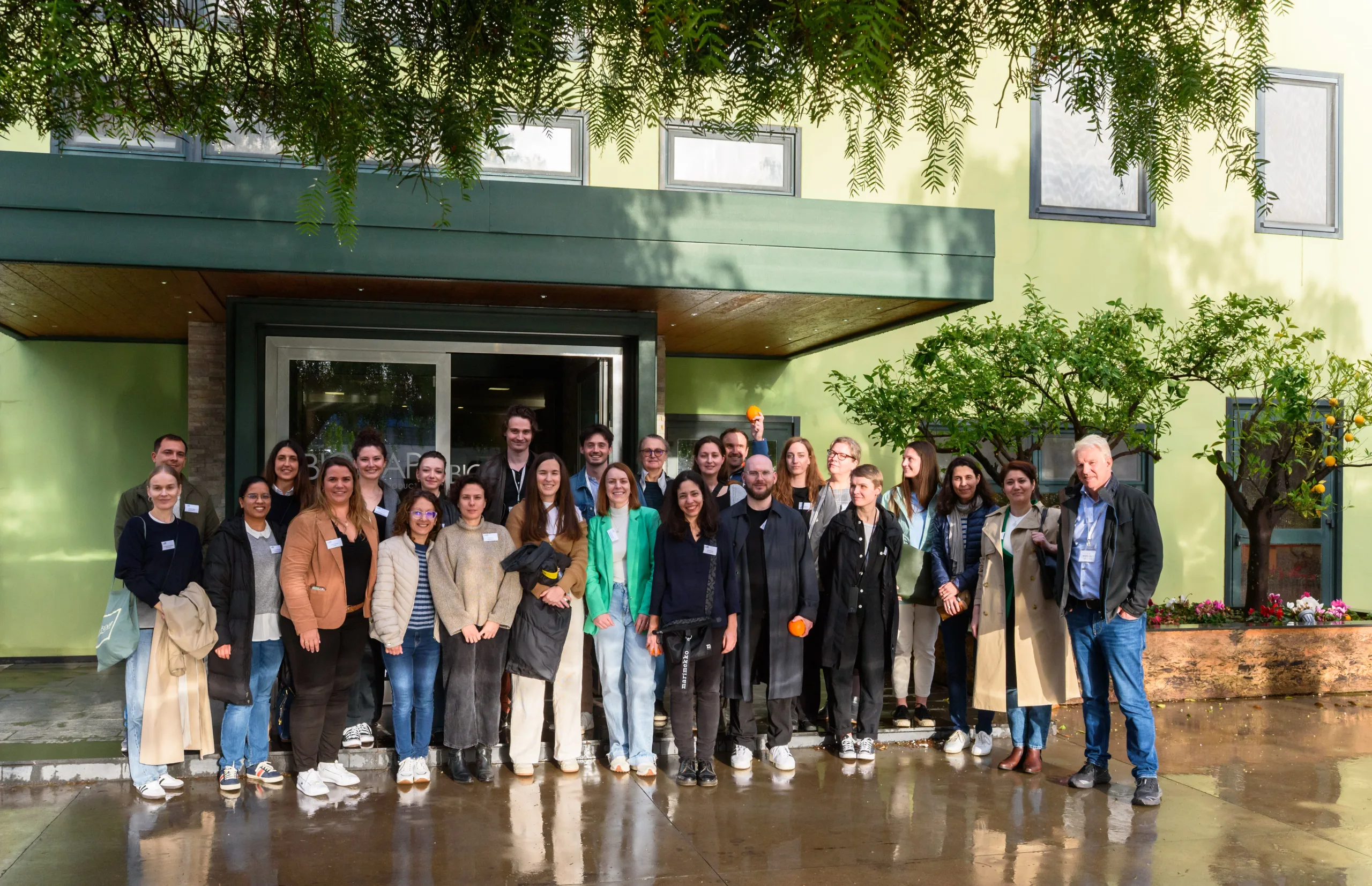
CELLFIL partners visit Orange Fiber’s production site in Catania, Italy. (Photo by Giorgio Di Gregorio)
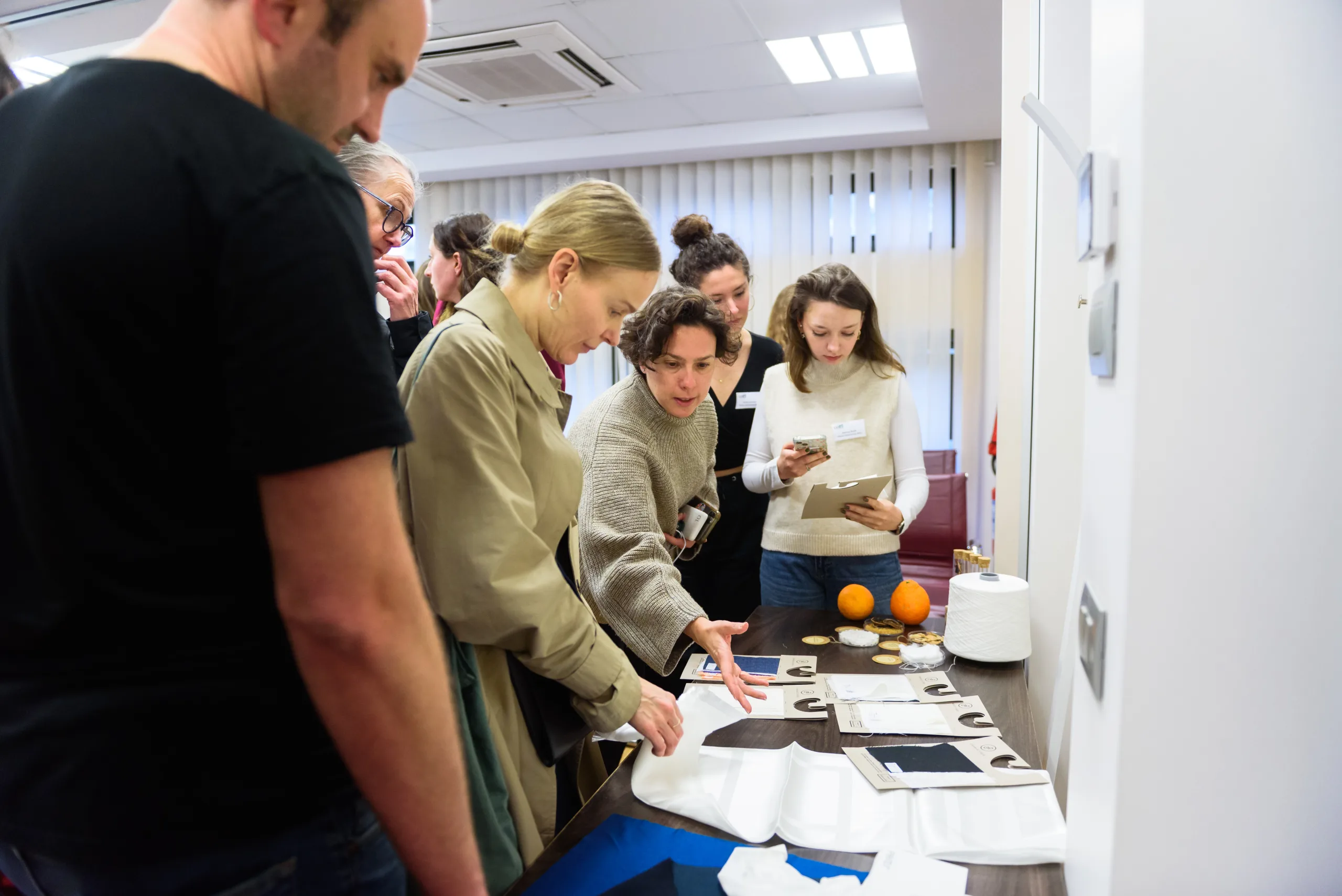
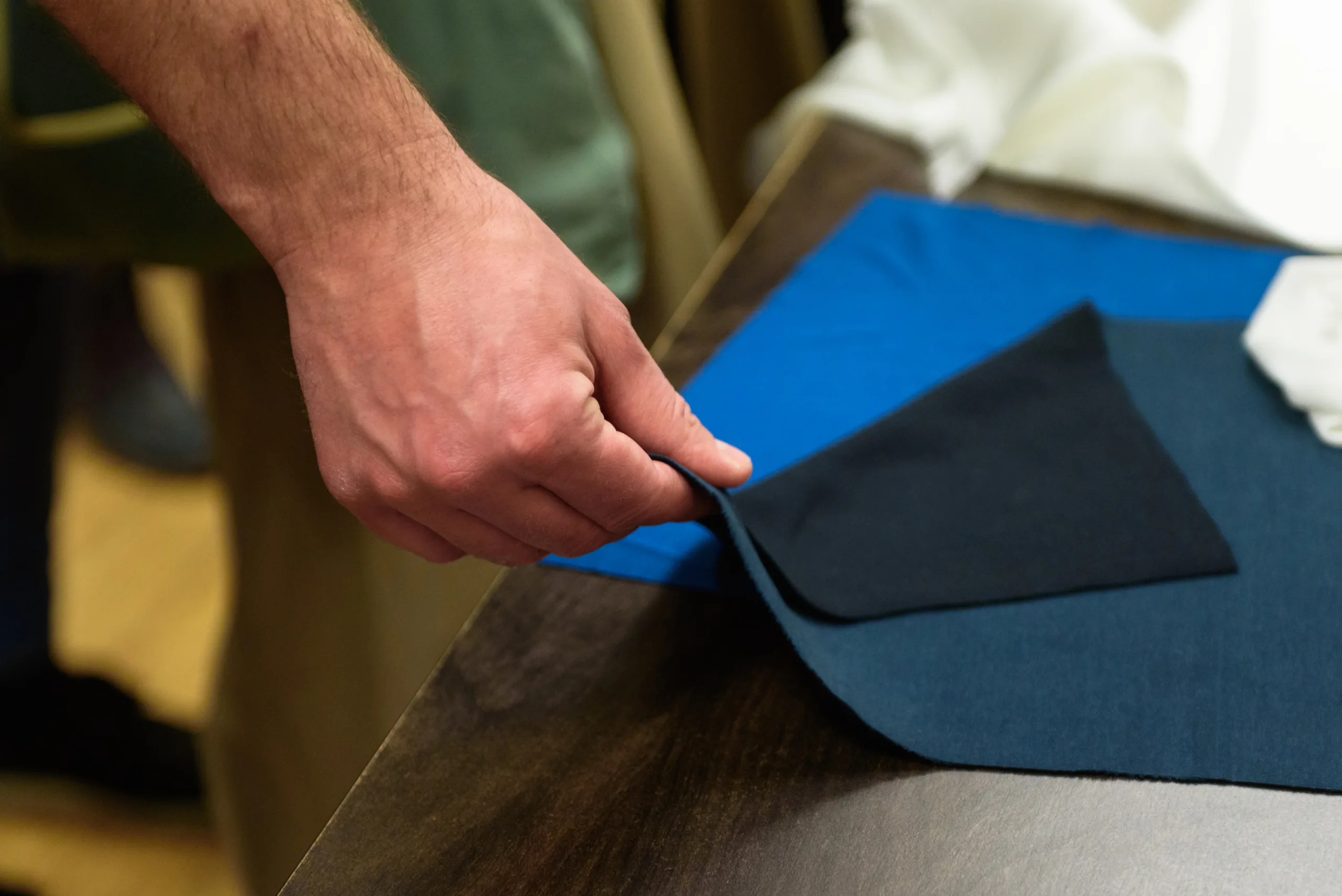
CELLFIL Concept: Innovating with Partners Across the Value Chain to Upscale Sustainable Lyocell Filament Production
The primary goal of this collaboration is to optimize the production of Lyocell Filament Yarn (LFY), a sustainable alternative to traditional synthetic fibers. To boost sustainability, performance, and scalability, the project focuses on shifting from 100% virgin pulp to more sustainable sources like recycled materials and alternative feedstocks, such as agricultural waste. In addition, efforts are underway to reduce energy consumption and optimize product properties, expanding the potential applications for Lyocell filament.
The outcome of these efforts will be a new generation of Lyocell filament, produced from sustainable raw materials through a resource-optimized closed-loop process. This method is to be proven to result in an industrially produced filament yarn with an exceptionally low environmental impact, supporting the textile industry’s transition toward a circular economy in Europe by 2030.
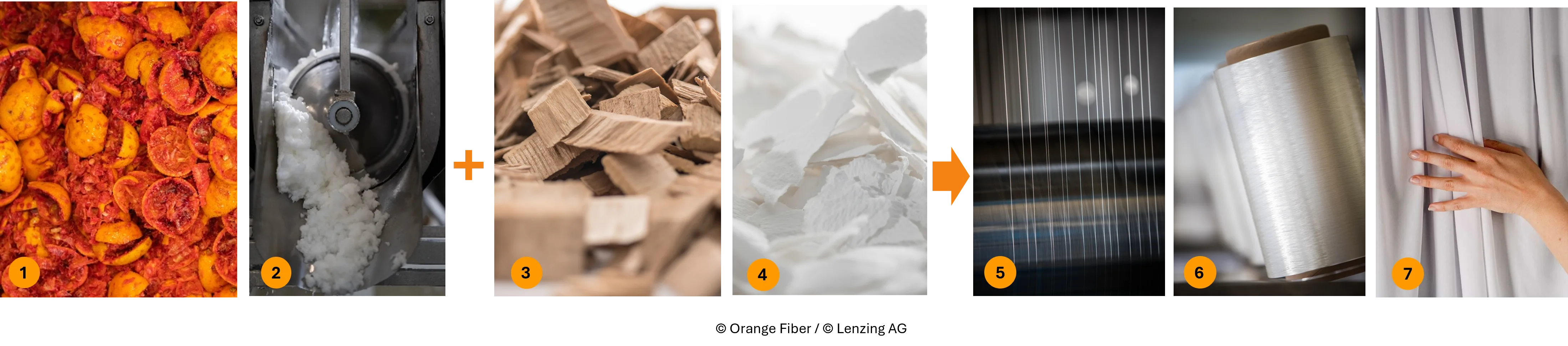
1. Citrus juice leftovers. 2. Cellulose extraction. 3. Wood from sustainably managed forests. 4. Cellulose-reach wood pulp. 5. Filaments made from dissolved cellulose extracts from citrus and wood pulps. 6. Finished Lyocell filament yarn. 7. Weaving into fabric.
Future Outlook
The Consortium Meeting in Catania showcased the collective effort by CELLFIL consortium driving the project forward. By integrating sustainable practices, such as blending orange juice by-products and wood pulp into raw materials for cellulosic filament production, the consortium is building a path toward creating eco-friendly textiles with broad application potential.
Looking ahead, the focus will be on refining these materials for various end-user applications, including performance sportswear and automotive textiles, while further optimizing energy measures and finalizing raw data for Life Cycle Assessments (LCA). The next steps involve continued testing of these novel materials in trail-running prototypes, alongside ongoing material developments aimed at enhancing the circularity and sustainability of textile production.
As CELLFIL progresses, the collaboration among partners will be critical in overcoming challenges, advancing innovations, and sharing insights with the broader textile industry. The results from the project will play a crucial role in promoting sustainable practices and contributing to a greener future for textile manufacturing across Europe.