
From September 12 to 13, Vienna served as a dynamic platform for forward-thinking discussions on the future of research, technology, and innovation (RTI) at Technology Talks 2024, hosted by the Austrian Institute of Technology (AIT).
This gathering brought together a diverse group of innovators, researchers, industry stakeholders, policymakers, and European Commission representatives to explore the essential role of RTI in advancing Europe’s green, digital, and human-centered transitions.
The discussions centered on the imperative of decarbonizing industrial production and how various sectors can collectively pave the way toward a sustainable future. Key topics included the critical role of RTI in facilitating the green transition, the transformative potential of artificial intelligence (AI) in scientific research, and the development of international RTI policy frameworks.
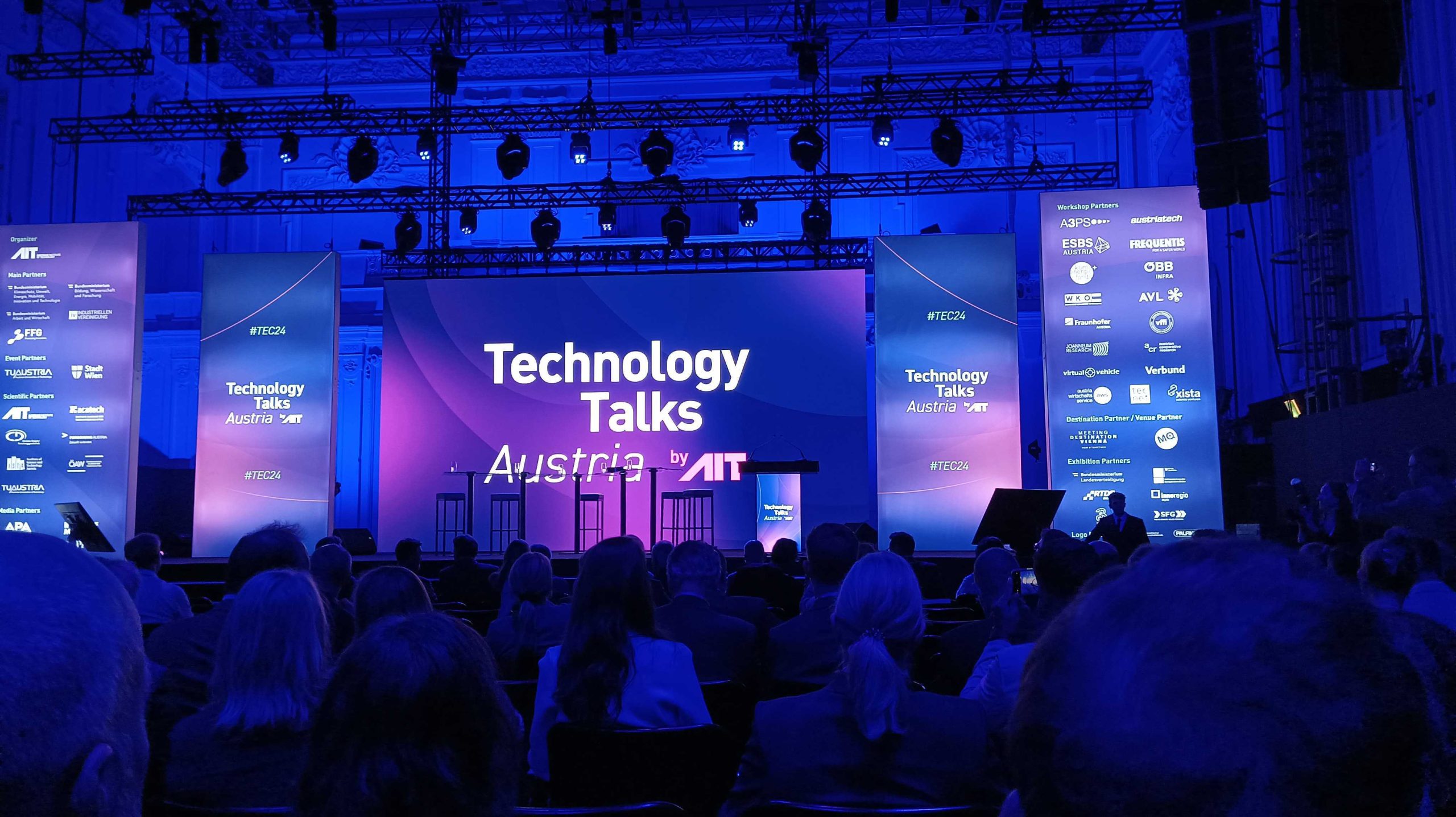
CELLFIL project partner RTDS Group participated in the event, emphasising the vital role of industrial decarbonization in achieving Europe’s climate goals. Many keynote speakers addressed how energy-intensive sectors can drive the development of standards essential to Europe’s Triple Transition—a comprehensive shift toward ecological sustainability and technological innovation.
The Call for Industry Decarbonization
As industries face mounting pressure to reduce their carbon footprints, the message from the keynote speakers at Technology Talks was clear: the decarbonization of industrial processes is not just a necessity but an opportunity for innovation and growth. The keynote speech by Gauri Singh, Deputy Director-General of the International Renewable Energy Agency (IRENA) offers significant insights on the interconnectedness of sectors in achieving this goal, emphasizing that energy-intensive industries. The transition to renewable energy sources, the adoption of electrification, and the integration of sustainable practices are fundamental to reducing greenhouse gas emissions across various sectors.
One critical point made in the speech is the need for electrification and smart integration of energy systems, which will also apply to the textile industry. As textiles are energy-intensive, the shift toward renewable energy sources and efficient energy usage will play a vital role in reducing the carbon footprint of textile production. The adoption of electrification in textile manufacturing can lead to improved energy efficiency and lower emissions, aligning with global targets for sustainability.
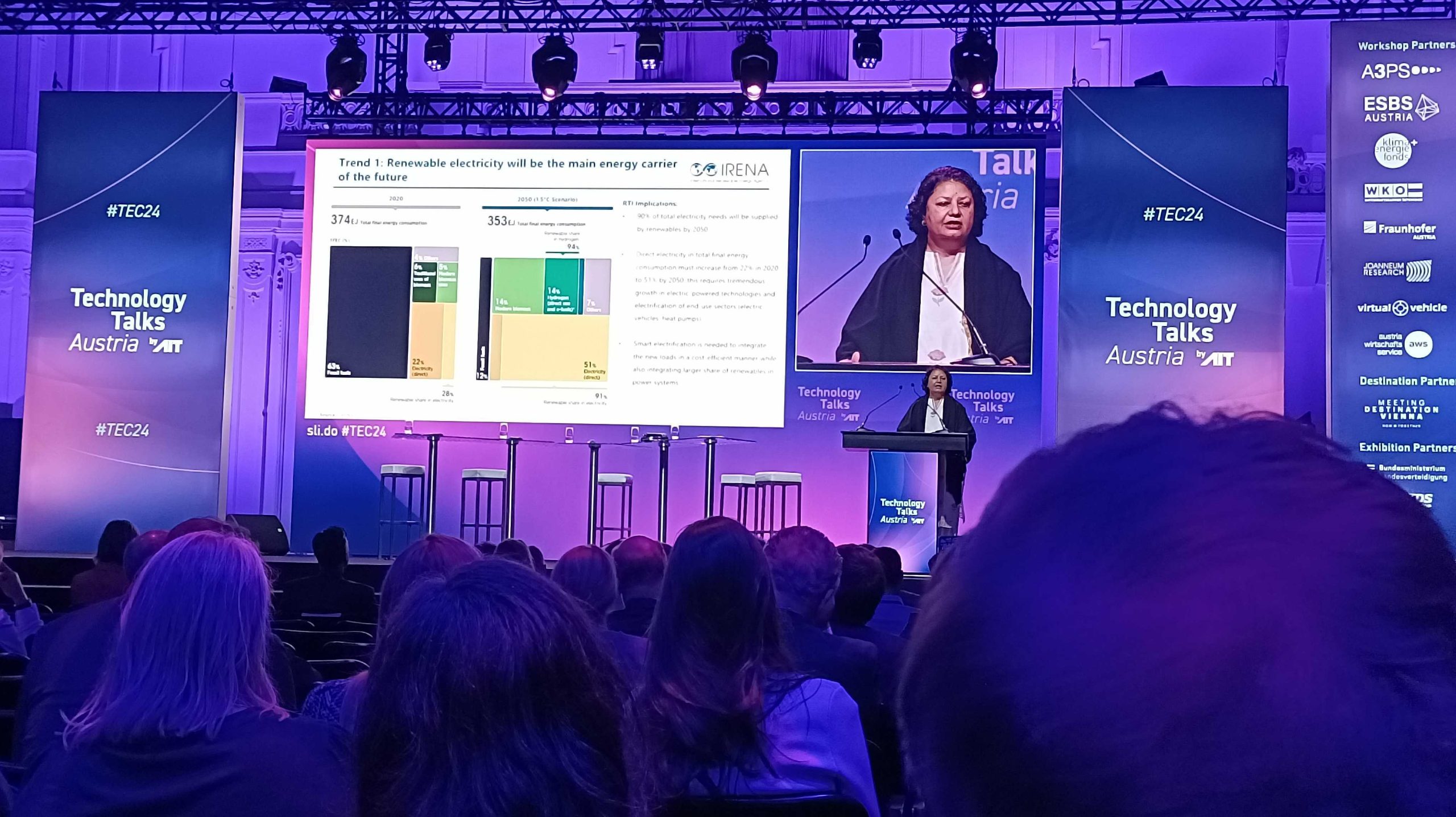
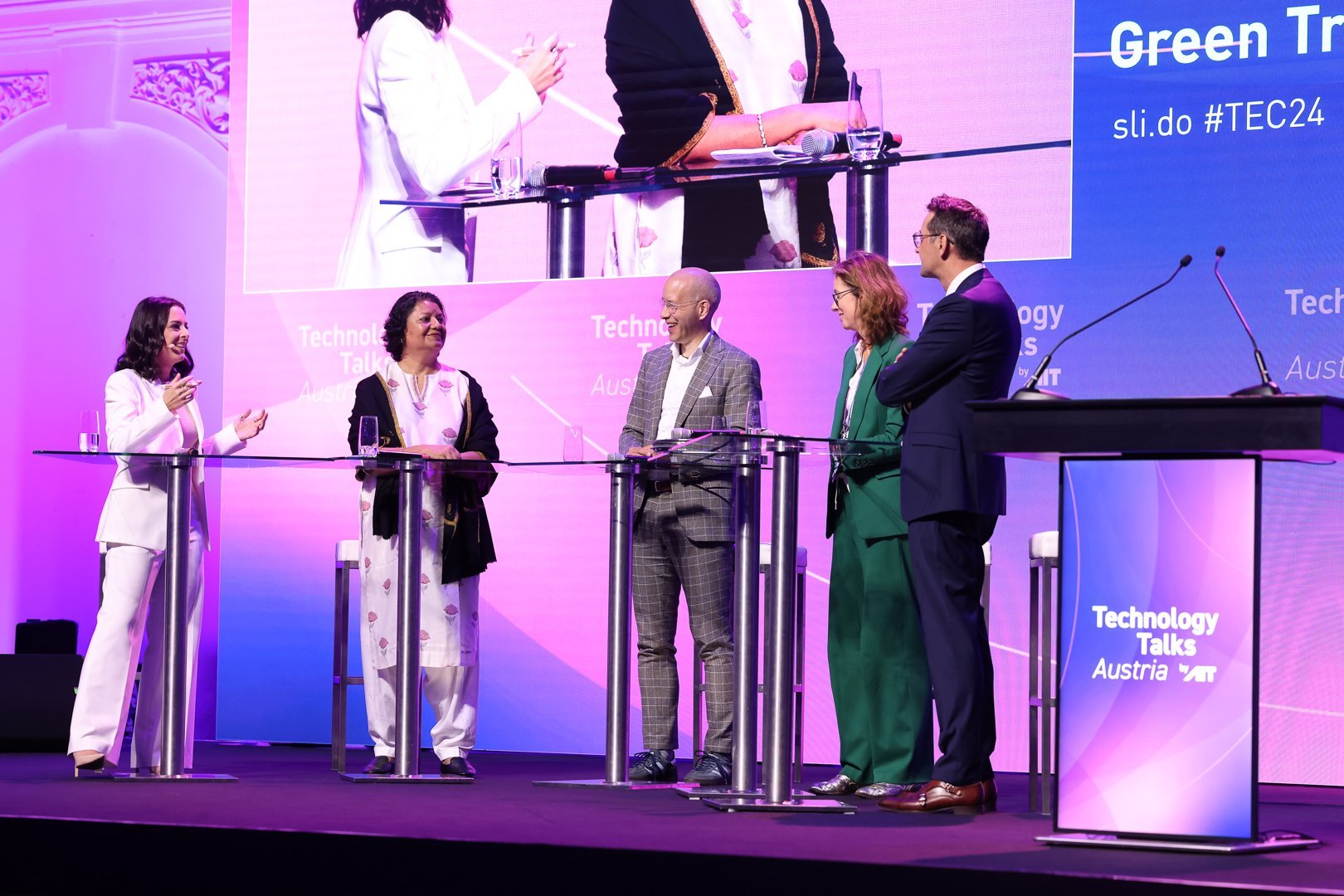
The keynote speech by Gauri Singh, Deputy Director-General of the International Renewable Energy Agency (IRENA)
Singh’s mention of the importance of research, technology, and innovation (RTI) underlines the necessity for the textile sector to innovate in materials and processes. For instance, advancements in battery storage technologies and energy management systems can support the integration of renewable energy in textile production. The industry’s ability to adapt these technologies will be essential for developing more sustainable practices.
Traditionally associated with significant environmental impacts—from resource-intensive production processes to high waste generation—the textile sector is now at a crossroads. By adopting sustainable practices and innovative technologies, it can significantly reduce its carbon emissions and contribute to a circular economy.
The CELLFIL Project: Innovations for Circular Economy and Resource Efficiency
The CELLFIL project stands at the forefront of transforming the European textile value chain. Funded by Horizon Europe, it focuses on developing sustainable, bio-based Lyocell filaments from biodegradable raw materials like wood, orange peel, and textile waste. These innovative filaments aim to replace conventional synthetic fibers, tackling both environmental and social challenges in textile production.
By fostering collaboration, CELLFIL optimizes the entire fabric production process, from raw material sourcing to final product development. The project showcases the versatility of Lyocell filaments across various applications and stimulates innovation throughout the value chain. Key objectives include enhancing yarn characteristics for diverse applications and establishing a sustainable framework for production scaling in Europe.
CELLFIL directly contributes to industrial decarbonization by creating a circular textile economy that emphasizes sustainability and resource efficiency. By developing eco-friendly materials and promoting innovative production methods, CELLFIL aligns with the action calls highlighted during Technology Talks 2024.
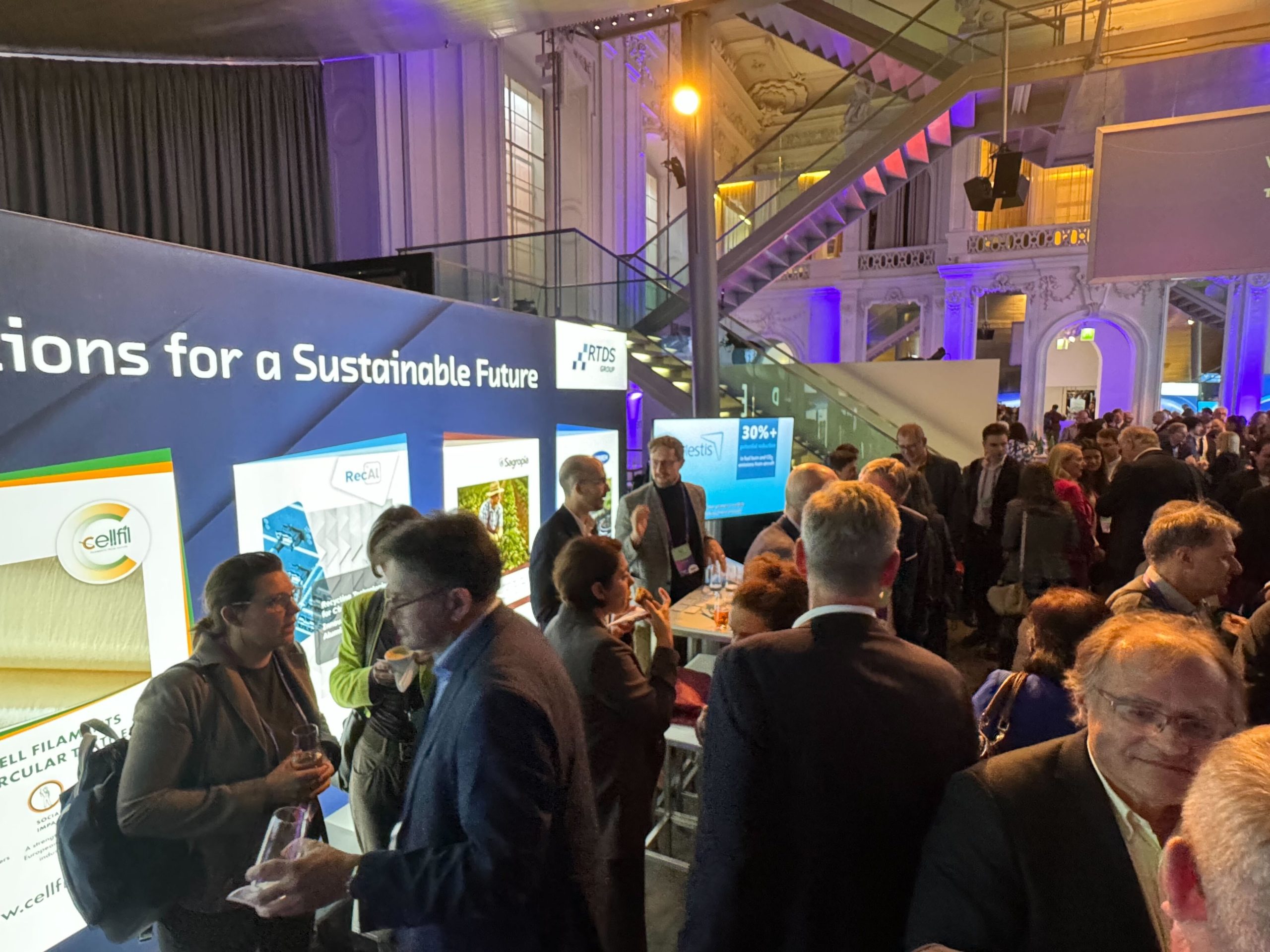
© RTDS Group
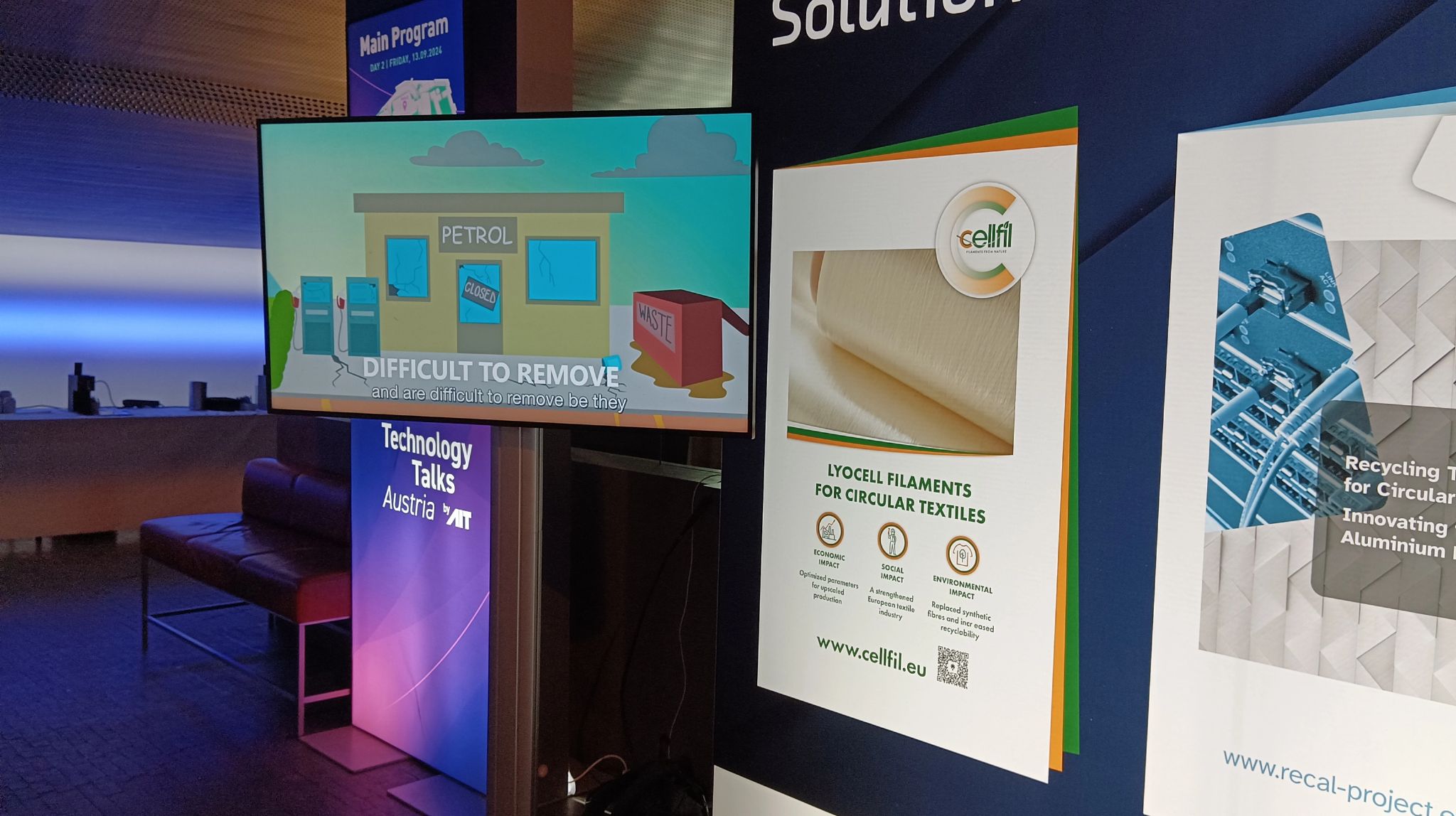
© RTDS Group
© AIT
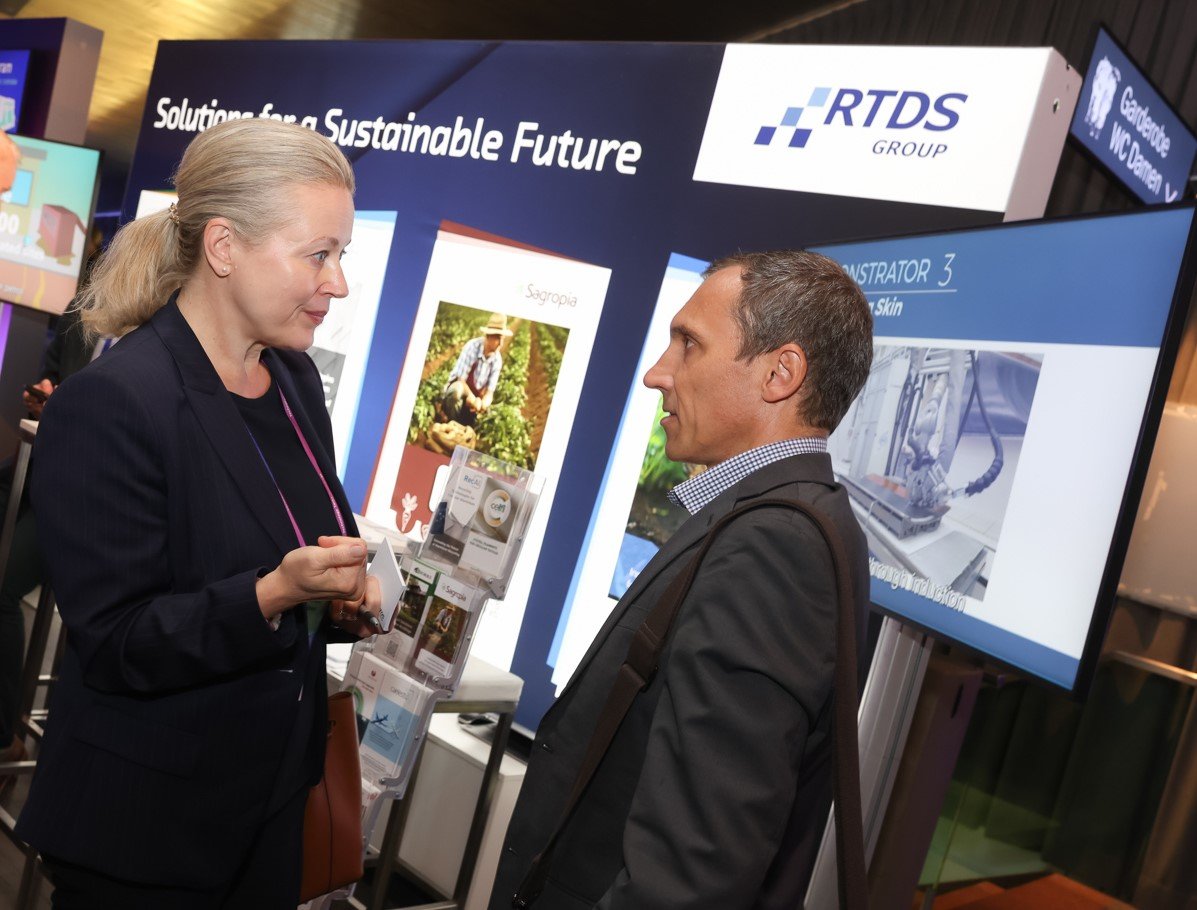
Photo credit: ©AIT
Photo credit: ©AIT